Photo: Carlos Rosado van der Gracht / LuxuryRivieraMaya
Less than an hour from Cancun International Airport, the Riviera Maya stretches along Mexico’s Caribbean coastline and boasts no end of archaeological treasures, natural wonders, and yes, a laid-back beach culture.
This 80-mile corridor between Puerto Morelos and the Sian Ka’an Biosphere Reserve has become one of the most sought-after destinations in all of Latin America, drawing visitors with its promise of barefoot luxury, world-class diving, and unforgettable encounters with Mexico’s rich Mayan heritage.
Whether you’re seeking adventure through a zipline canopy tour, hoping to explore the region’s famous cenotes, or simply looking to unwind on powder-soft sand, there are countless things to do in Riviera Maya Mexico that reward every type of traveler. From the iconic clifftop ruins of Tulum to the turquoise waters of Bacalar, use this guide to help you plan an unforgettable Mexican Caribbean holiday.
The Best Things to Do in Riviera Maya
Explore the Ancient Ruins of Tulum
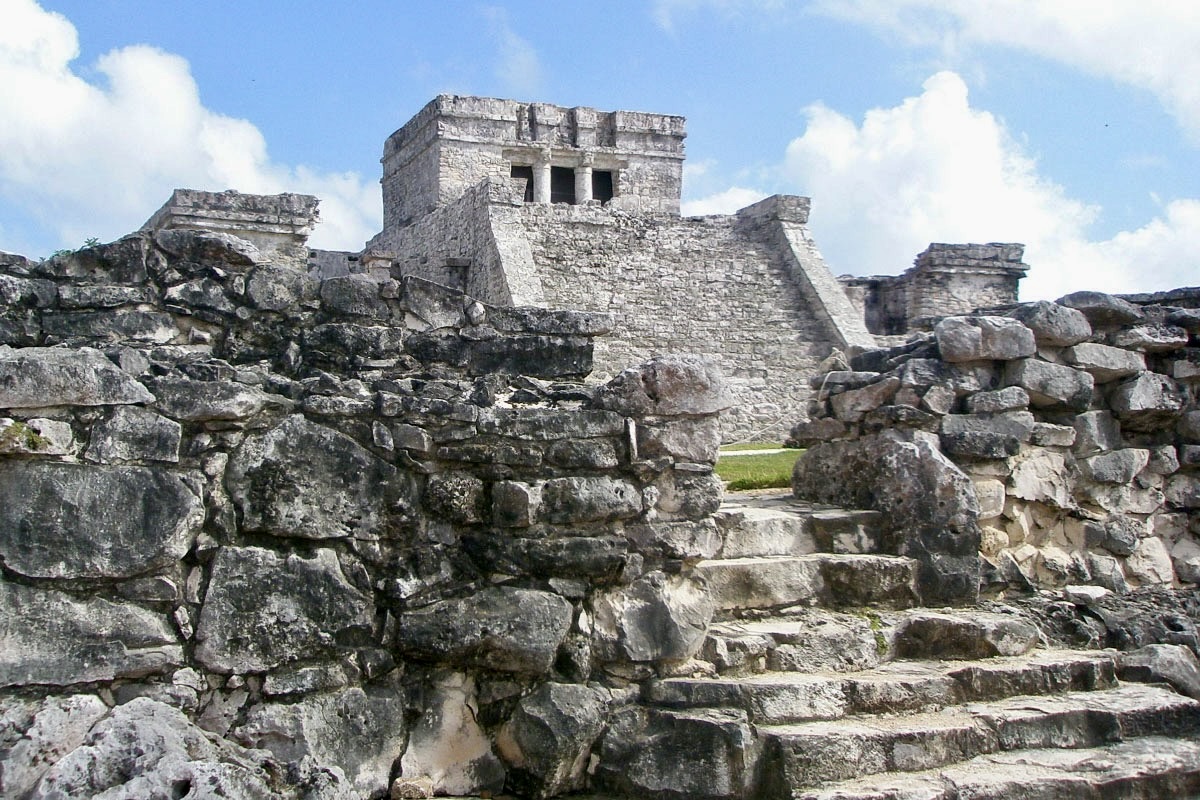
Among the most photographed Riviera Maya tourist attractions, the archaeological site of Tulum occupies a dramatic clifftop setting 40 feet above the turquoise Caribbean. Originally named Zama, meaning “City of Dawn” in the Mayan language, this walled port city served as a major trading hub between the 13th and 15th centuries, handling commerce in jade, obsidian, and honey.
What sets Tulum apart from other Mayan sites is its exceptional location, as this is the only major Mayan ruin built directly on the coast. The star of the show here is El Castillo, a stone watchtower perched on a 40-foot limestone cliff that once functioned as an ancient lighthouse. Two small windows at its summit allowed merchant ship captains to navigate safely through the reef-lined bay. If both windows aligned with the setting sun, the ships could pass safely without striking the submerged coral.
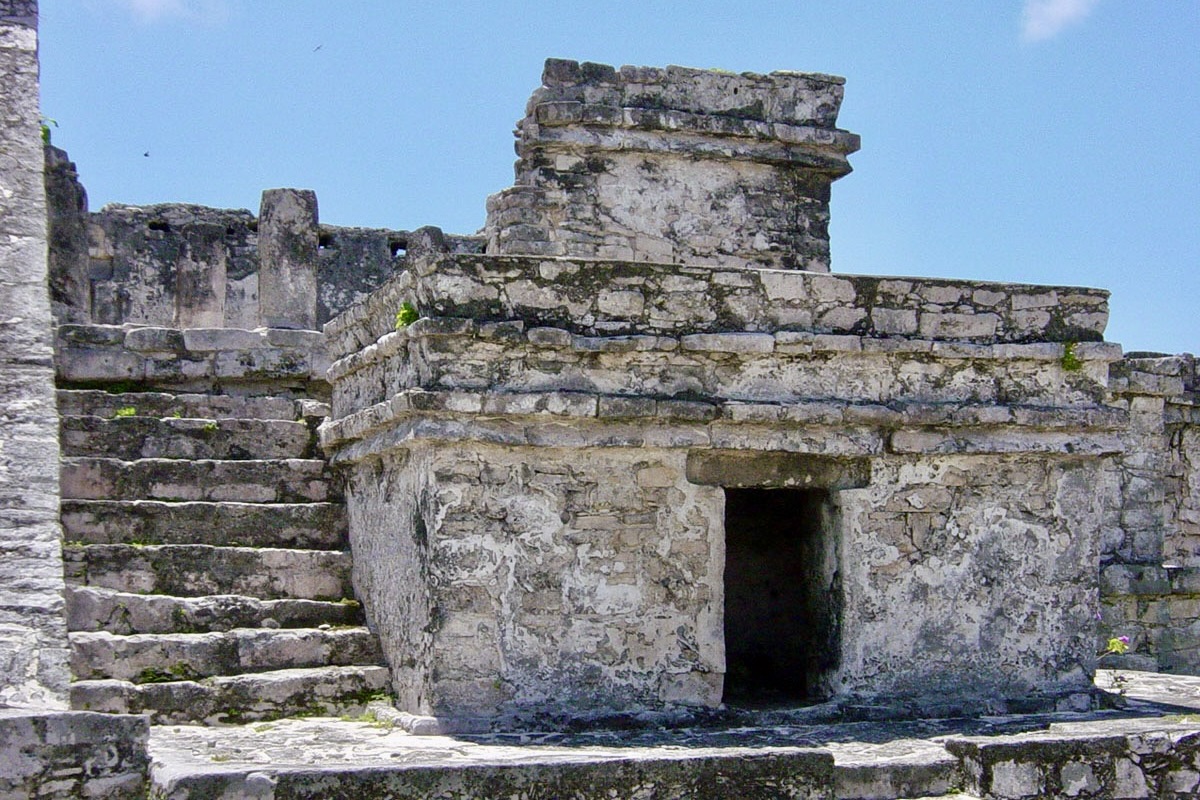
Other important sights include the Temple of the Frescoes, featuring well-preserved murals depicting Mayan deities, and the Temple of the Descending God, decorated with carvings of a winged figure diving earthward. The ruins now sit within Parque del Jaguar, a conservation area encompassing over 2,500 acres of protected land. As of 2025, admission to the archaeological zone costs approximately 100 Mexican pesos, with an additional 415 pesos for the Jaguar Park entrance.
The site opens daily at 8:00 AM, and arriving at opening time remains the best strategy for avoiding crowds. By mid-morning, tour buses from Cancun and Playa del Carmen create substantial queues. After exploring the ruins, visitors can descend to the beach below for a swim in the crystal-clear water beneath the ancient walls.
Discover the Parks of Grupo Xcaret
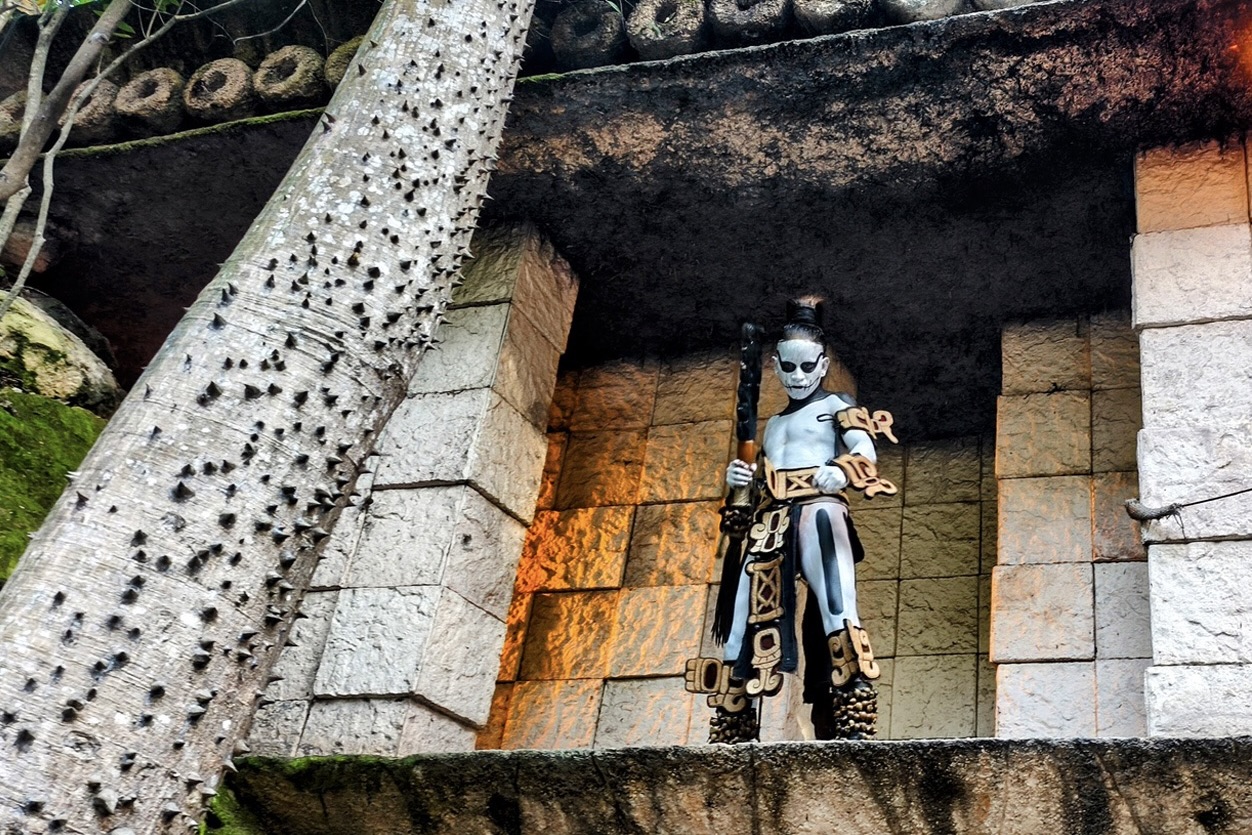
For travelers seeking an introduction to the region’s culture and ecology, the adventure parks operated by Grupo Xcaret offer comprehensive experiences that combine entertainment with education. The Mexican-owned company operates multiple parks and tours across the Riviera Maya, each with a distinct focus, making these some of the most popular stuff to do in Riviera Maya for families.
The flagship Xcaret Park, located about four miles south of Playa del Carmen, features more than 50 attractions spread across its 200-acre property. Visitors can swim through underground rivers carved from the region’s limestone bedrock, wander through a Butterfly Pavilion housing hundreds of native species, and explore a Coral Reef Aquarium showcasing the marine life of the nearby Mesoamerican Reef.
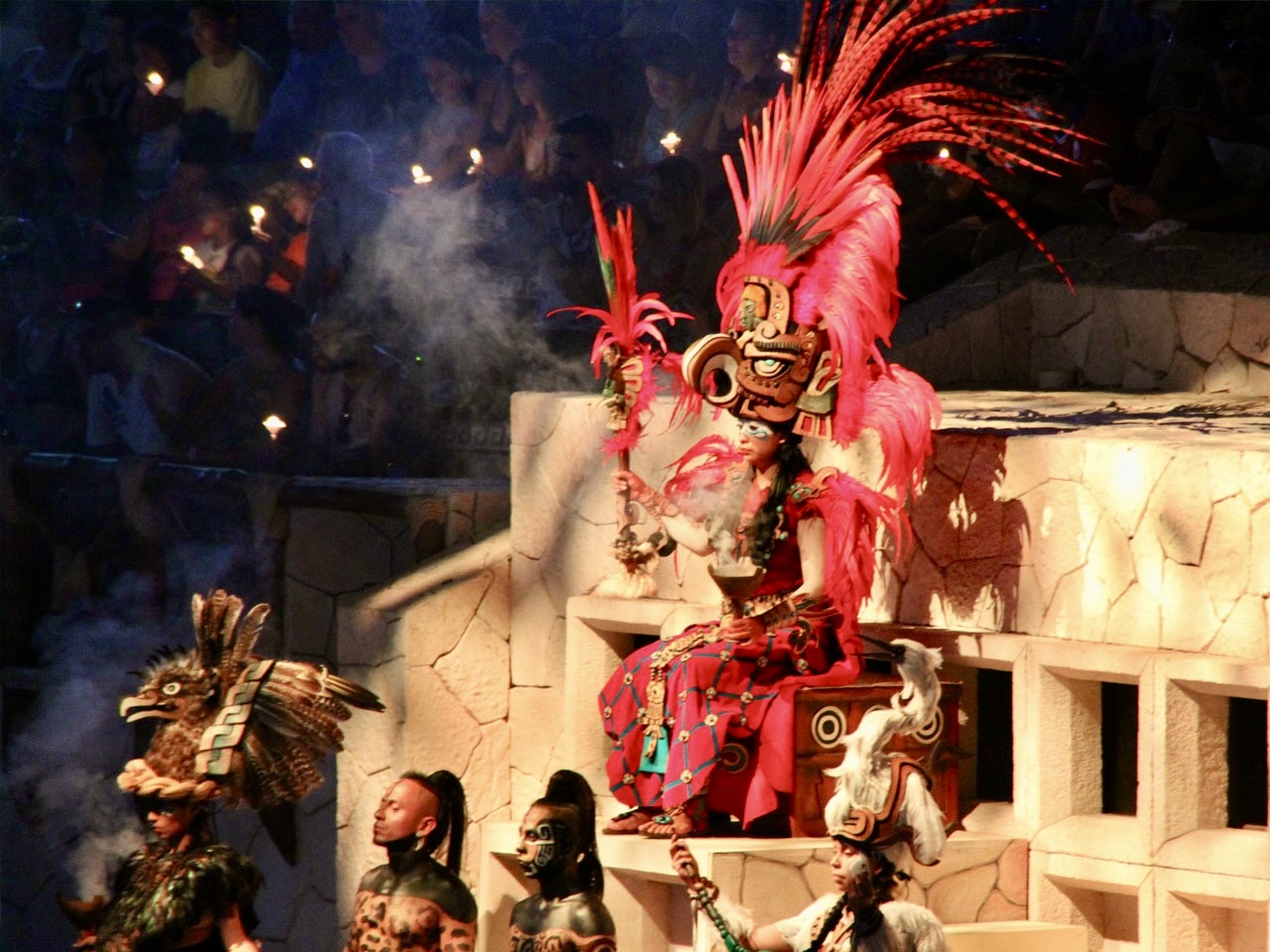
The highlight for many guests is Xcaret Mexico Espectacular, an evening performance featuring 300 artists presenting traditional Mayan dances, pre-Hispanic ball games, and regional folk music.
Xplor holds the distinction of being the most visited zipline park in the world, offering high-speed lines that soar above the jungle canopy before plunging into underground rivers. Xel-Ha operates as an all-inclusive natural water park where guests can snorkel in a massive inlet fed by underground springs flowing into the Caribbean. Xenses takes a different approach entirely, featuring sensory illusion attractions and surreal environments designed to challenge perception.
The company also operates three hotels: Hotel Xcaret Mexico, Hotel Xcaret Arte, and the boutique La Casa de la Playa.
Swim in the Region’s Legendary Cenotes
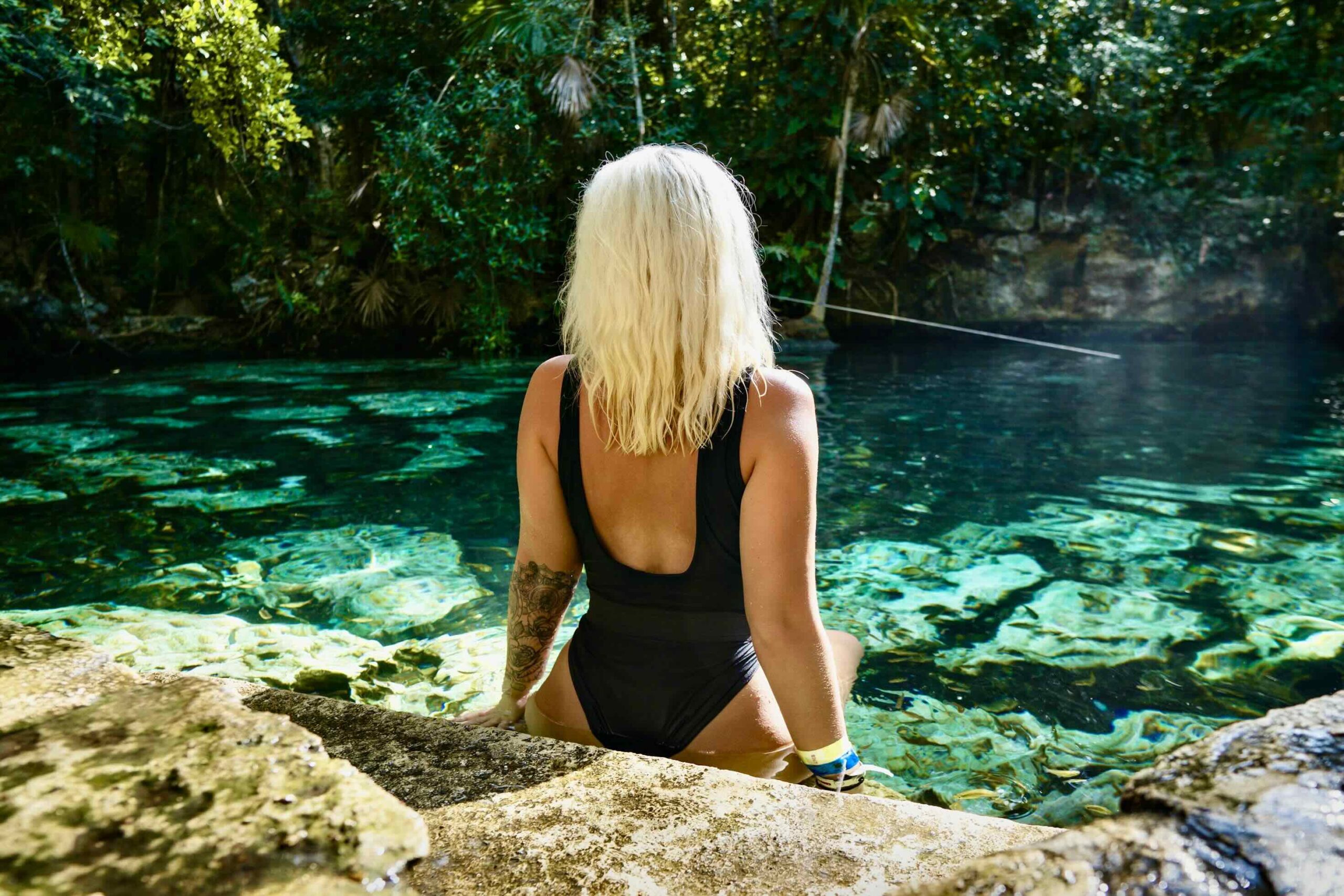
The Yucatan Peninsula sits atop a vast limestone plateau riddled with subterranean rivers that have carved out an extensive network of caves and underwater passages over millions of years. Where the cave ceilings have collapsed, natural sinkholes known as cenotes provide access to these freshwater systems. Researchers estimate that more than 6,000 cenotes exist across the peninsula, with hundreds open to visitors for swimming, snorkeling, and diving.
For the ancient Maya, cenotes held profound spiritual significance as portals to Xibalba, the underworld realm of the gods. Archaeological evidence suggests that many cenotes served as sites for ritual offerings and ceremonies. Today, these geological formations rank among the most sought-after things to see and do in Riviera Maya Mexico, offering an experience unlike anything else on the planet.
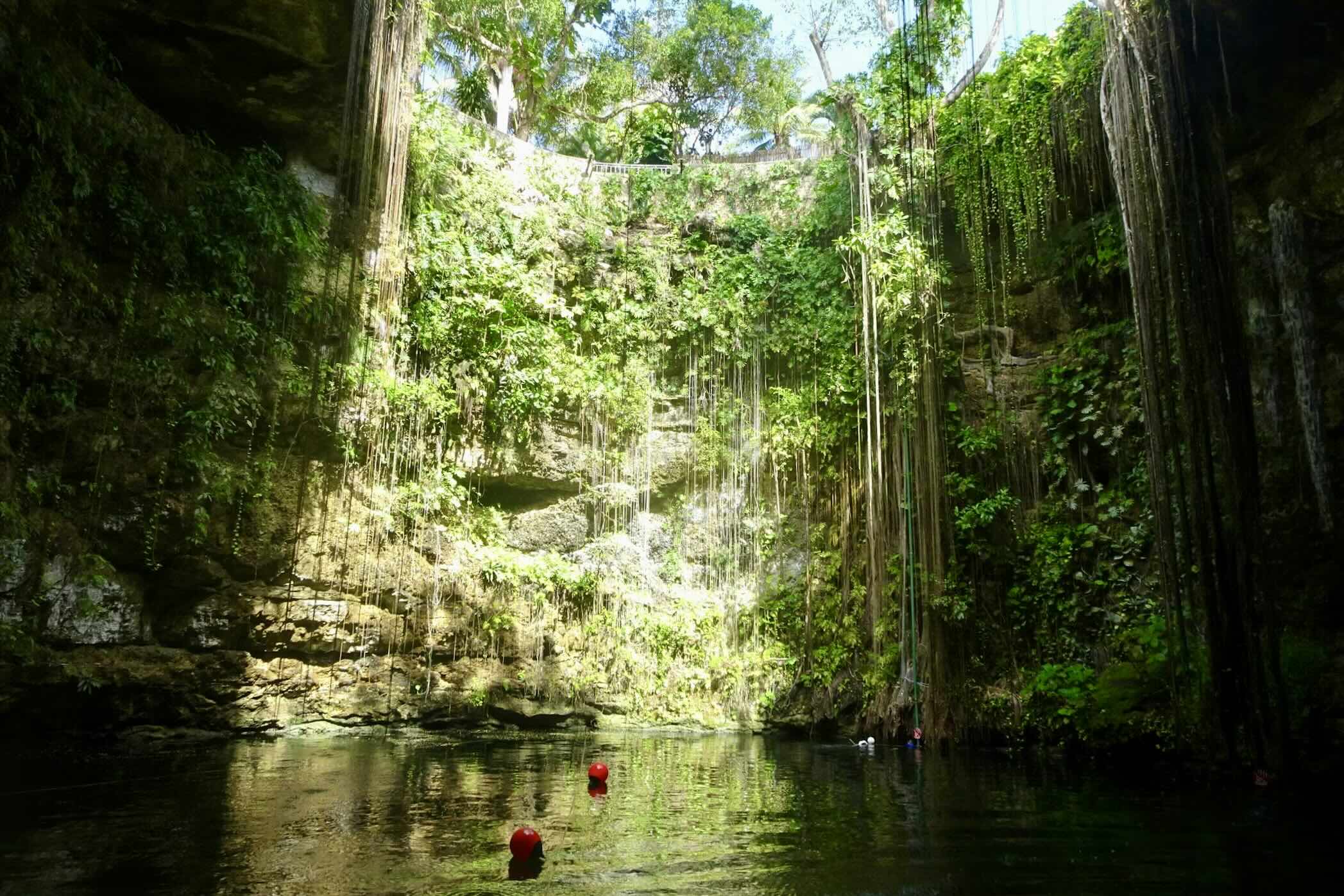
Near Tulum, Gran Cenote, undoubtedly one of the very best cenotes in this historic place, features a partially open structure with wooden bridges connecting its various swimming areas, where visitors can spot small freshwater turtles gliding through the clear water. Cenote Dos Ojos, named for its two circular openings, offers exceptional visibility and has become a favorite among certified cave divers exploring its extensive underwater passages.
Cenote Ik-Kil near Chichen Itza provides a more dramatic setting, with vines cascading 85 feet down to the water surface below. Many cenotes charge admission fees between 50 and 200 pesos, and visitors should note that only biodegradable sunscreen is permitted to protect these delicate ecosystems.
Wander the Jungle Ruins of Coba
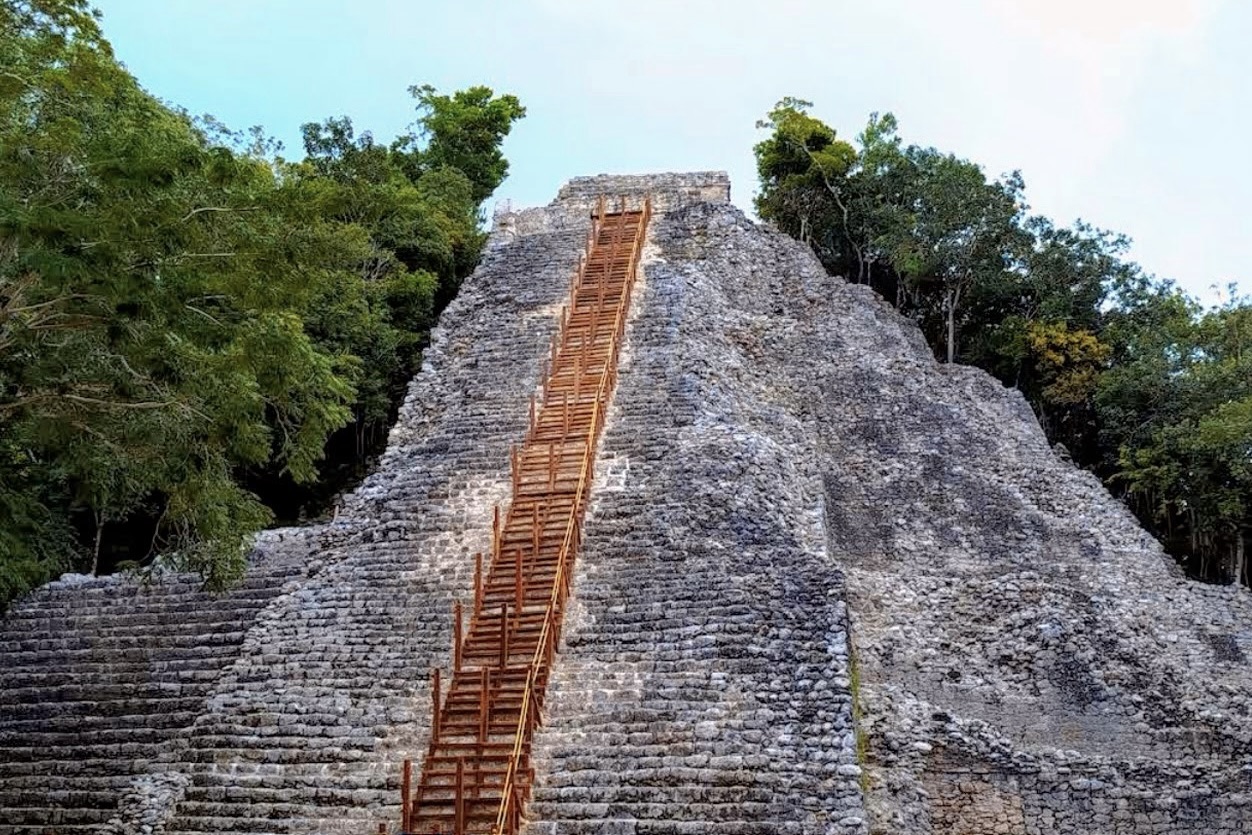
Deeper into the jungle, roughly 27 miles northwest of Tulum, the ancient city of Coba offers a markedly different archaeological experience. While Tulum draws crowds with its coastal setting, Coba rewards visitors with a sense of discovery.
Much of this sprawling site remains unexcavated, with pyramid structures still draped in vegetation and connected by sacbeob, the white limestone causeways that once linked Mayan settlements across the region. Over 50 of these ancient roads have been discovered at Coba, more than at any other known Mayan site. The star attraction is the Nohoch Mul pyramid, rising 138 feet above the jungle floor, making it the tallest Mayan structure in the Yucatan Peninsula.
The site spans approximately 30 square miles, making walking impractical for most visitors. Bicycle rentals near the entrance cost around 50 pesos, while bici-taxis (tricycle rickshaws) offer round-trip rides to the main pyramid for approximately 150 pesos. Admission to the archaeological zone is 220 pesos, and the site opens daily from 8:00 AM to 5:00 PM.
Experience the Energy of Playa del Carmen
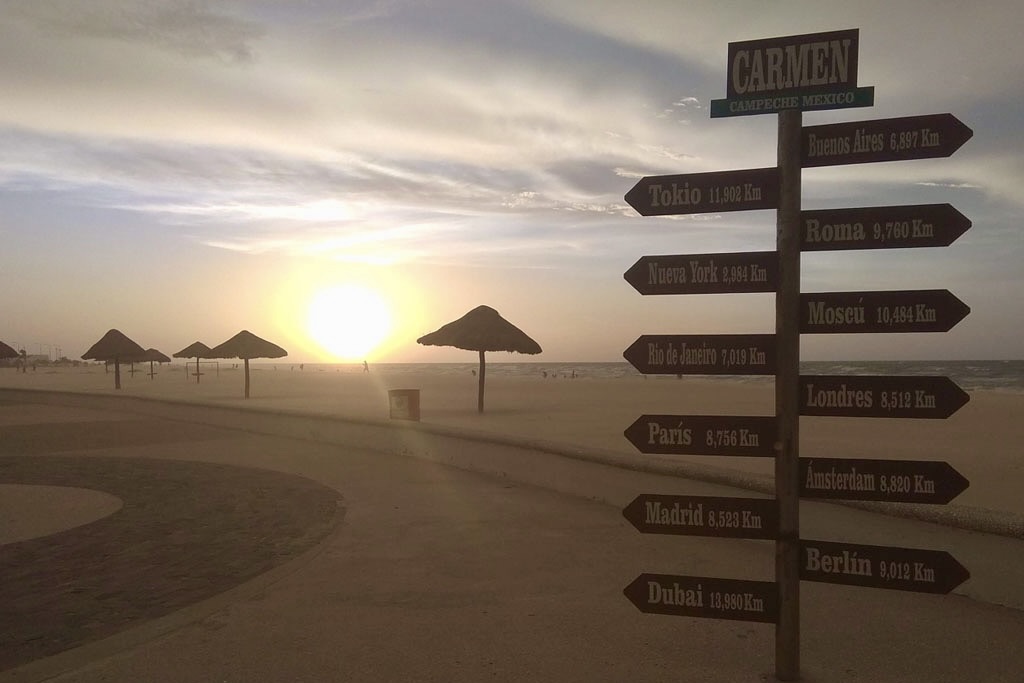
The commercial and social heart of the Riviera Maya, Playa del Carmen (known simply as “Playa” to locals and frequent visitors) offers a compelling urban counterpoint to the region’s natural attractions. What began as a quiet fishing village and ferry launch for Cozumel has transformed into a cosmopolitan beach town where international restaurants, boutique hotels, and rooftop bars line pedestrian-friendly streets.
La Quinta Avenida (Fifth Avenue) serves as the town’s main artery, stretching for over 20 blocks parallel to the beach and humming with activity from morning until well after midnight. The southern end near Parque Los Fundadores caters to tourists with souvenir shops and chain restaurants, while the northern blocks attract a more local crowd with independent boutiques and authentic taquerias like El Fogon and Taquerias El Nero, both known for their al pastor tacos.
For elevated views and sunset cocktails, the rooftop scenes at Thompson Playa del Carmen and The Fives Downtown have become local institutions. Beach clubs, including Kool and Mamita’s, provide loungers, pool access, and full food and beverage service for day visitors. The town also serves as the departure point for the 30-minute ferry crossing to Cozumel, with boats operated by Ultramar and Winjet leaving from the main terminal approximately every hour.
Take a Road Trip to Bacalar’s Seven-Color Lagoon
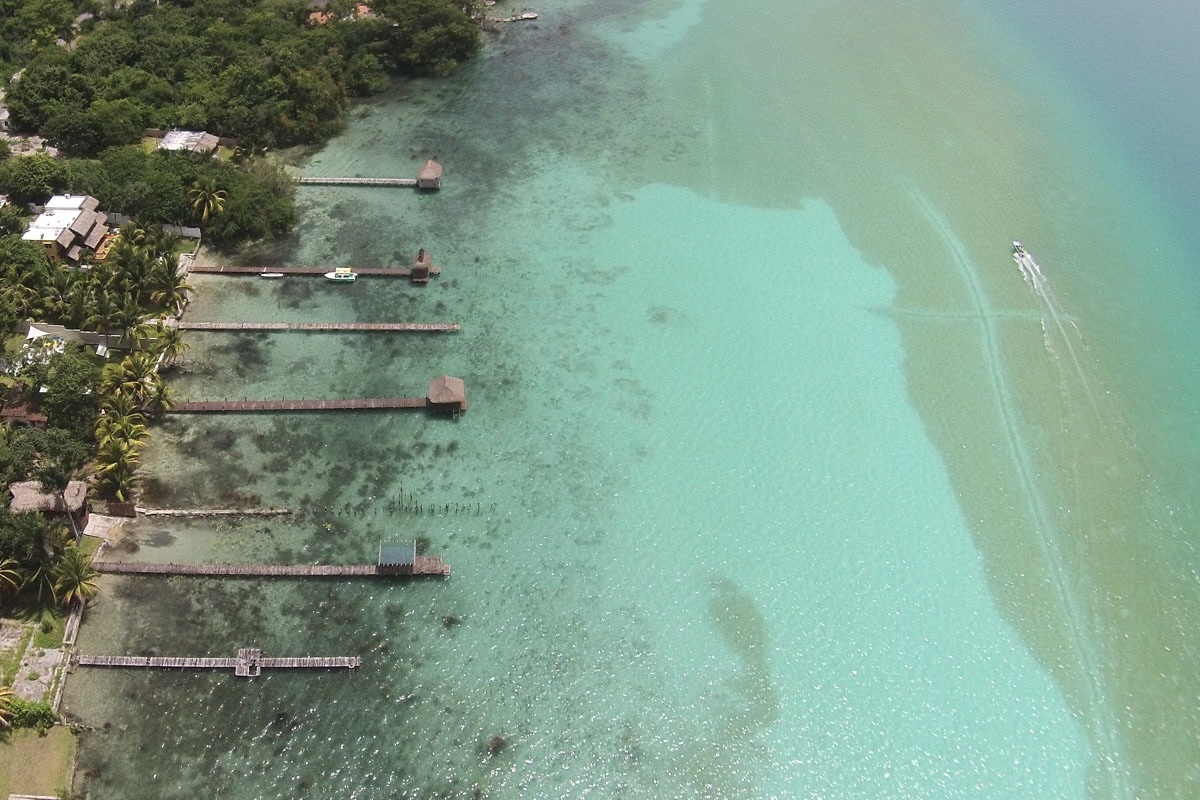
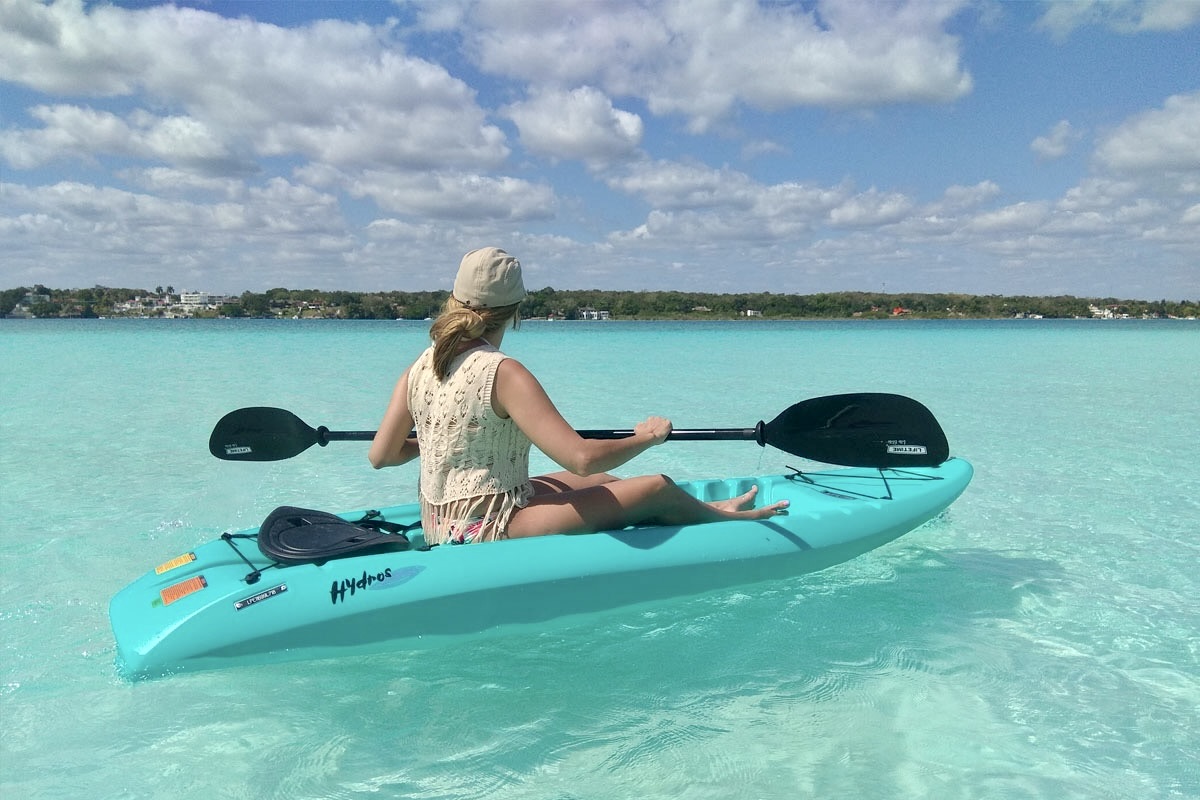
Far to the south of the Riviera Maya’s tourist corridor, approximately four hours from Playa del Carmen, lies one of Mexico’s most photogenic secrets. The small town of Bacalar sits on the shore of a 26-mile freshwater lagoon known locally as the Laguna de los Siete Colores, or the Lagoon of Seven Colors, named for the remarkable spectrum of blue and turquoise hues created by varying water depths and the white limestone lakebed.
Unlike the ocean, Bacalar’s waters contain no salt, leaving swimmers’ hair soft and free of that characteristic Caribbean stiffness. The shallow, warm waters near shore are perfect for kayaking, stand-up paddleboarding, and simply floating while gazing at the graduated bands of color that shift throughout the day with the changing light. Within the lagoon, several cenotes, including Cenote Negro (also called Cenote de la Bruja) and Cenote Esmeralda, create particularly dramatic color contrasts where the darker depths meet the surrounding aquamarine shallows.
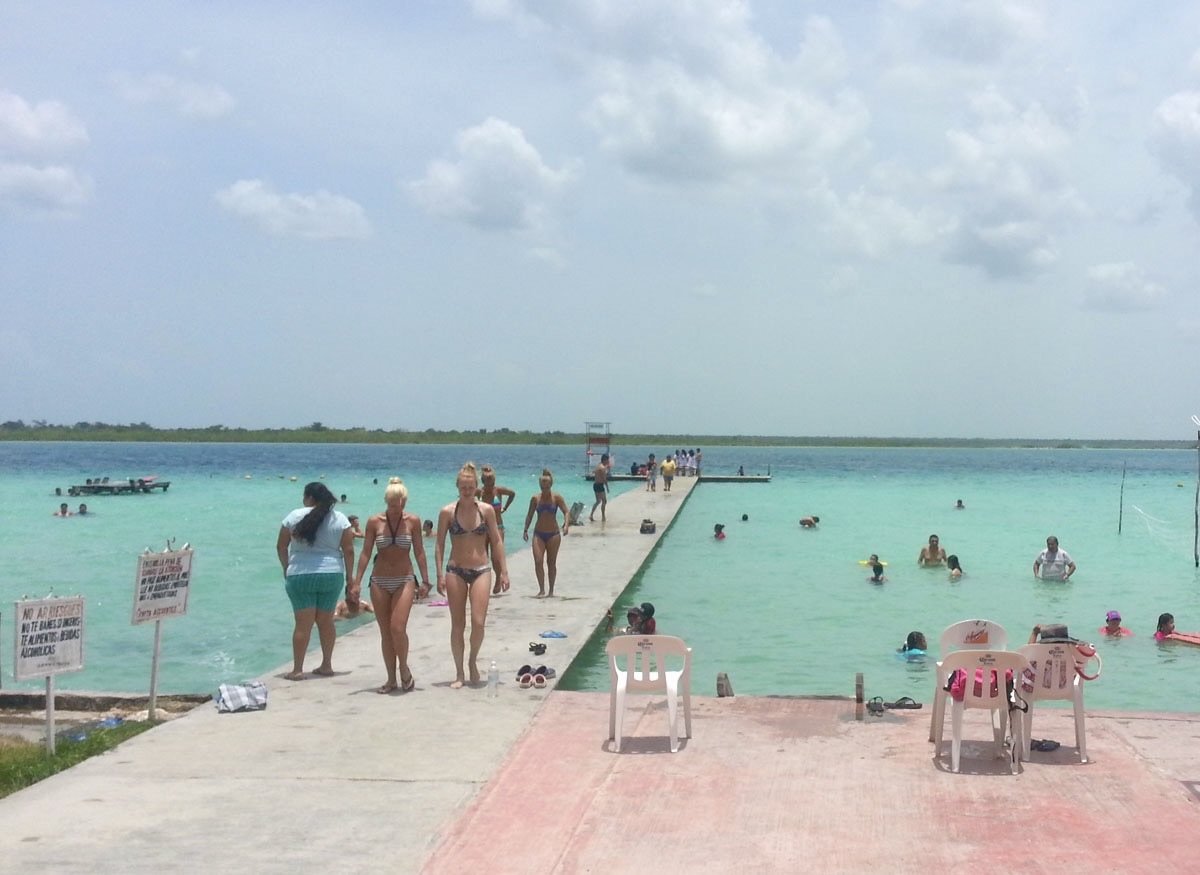
The lagoon also hosts stromatolites, ancient rock formations created by cyanobacteria that represent some of the oldest life forms on Earth. Visitors can observe them from boats but should never touch or step on these fragile structures. A handful of eco-boutique hotels have emerged along the lakeshore, including Rancho Encantado and Boca de Agua, offering private docks and complimentary kayaks for guests.
The town itself earned designation as a Pueblo Magico(Magic Town) and features the 18th-century Fort of San Felipe, which now houses a small museum documenting the region’s pirate-ridden colonial history.
Discover Sian Ka’an Biosphere Reserve
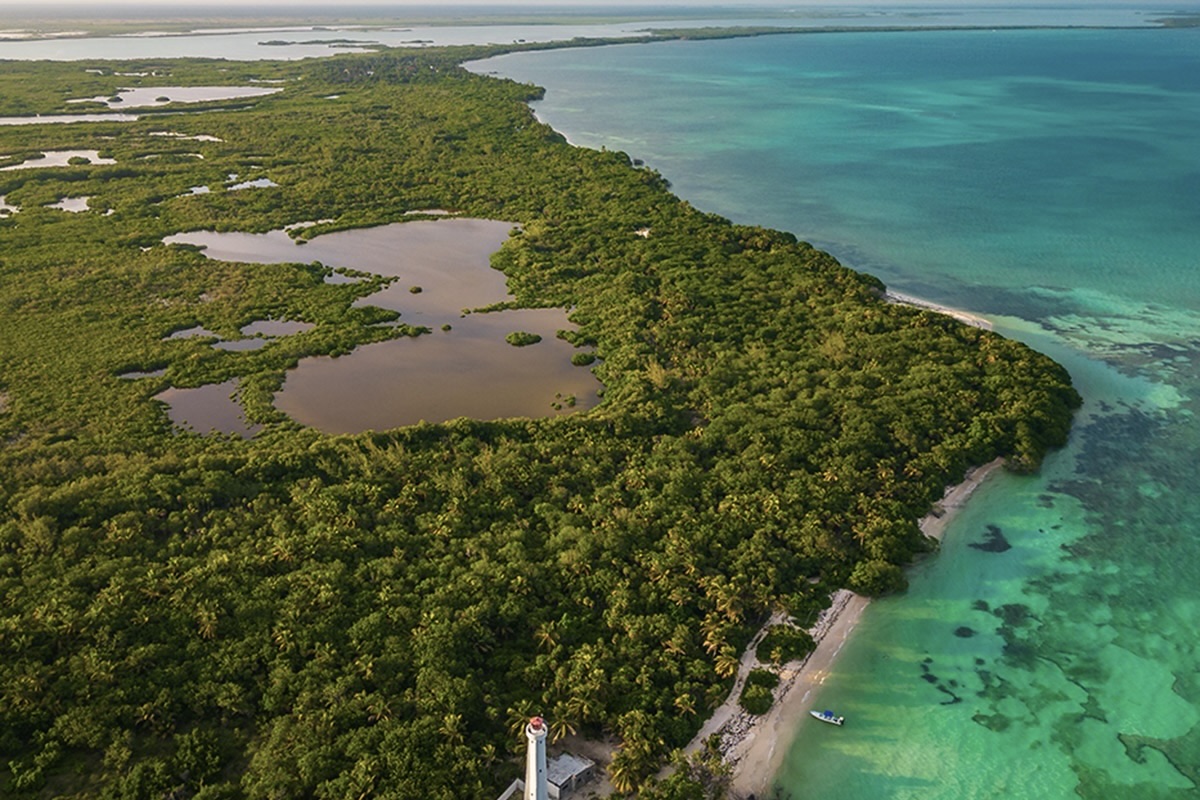
South of Tulum, past the last beach hotels, the landscape shifts dramatically as development gives way to protected wilderness. The Sian Ka’an Biosphere Reserve encompasses 1.3 million acres of tropical forest, mangroves, coastal marshes, and a marine section that includes a portion of the Mesoamerican Barrier Reef. Established in 1986 and designated a UNESCO World Heritage Site one year later, Sian Ka’an remains the largest protected area in the Mexican Caribbean.
In the Mayan language, Sian Ka’an translates to “Origin of the Sky” or “Gate of Heaven,” an apt description for a place where undeveloped coastline stretches for some 75 miles, and wildlife roams undisturbed. The reserve provides habitat for more than 300 bird species, four types of nesting sea turtles, endangered West Indian manatees, and large predators including jaguars, pumas, and ocelots. Hundreds of forested islands called petenes emerge from the flooded marshlands, some reaching over half a mile in diameter.
Most visitors experience Sian Ka’an through guided tours departing from Tulum, which typically include boat trips through ancient Mayan canals connecting the reserve’s lagoons, opportunities to float in the current of these waterways, and snorkeling on the reef. The small fishing village of Punta Allen, accessible only by a rough, unpaved road, serves as a base for tours focusing on dolphin watching and fly-fishing. Independent visitors can access the reserve through the Muyil entrance, which includes the small Muyil archaeological site and a trail leading to Laguna Muyil.
Relax on World-Class Beaches
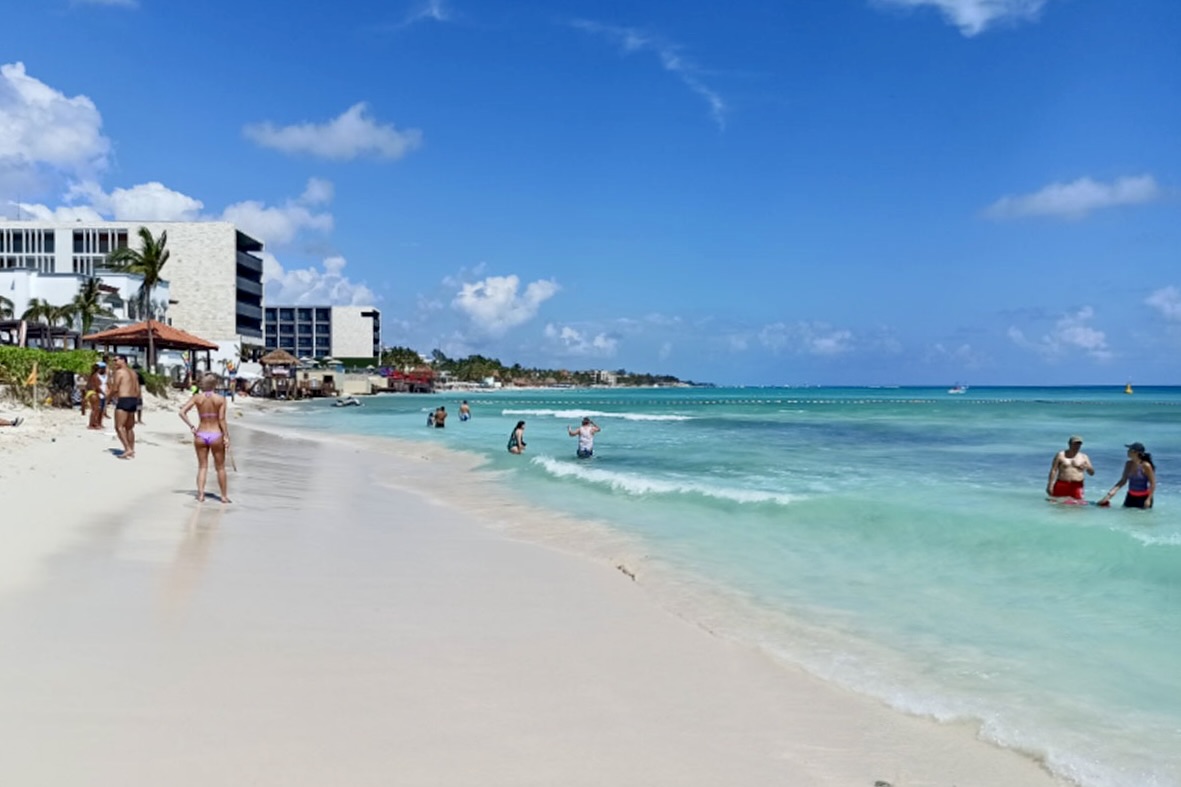
The Riviera Maya earns its reputation through its beaches, stretches of powdery white sand lapped by water in shades of blue that appear almost artificially enhanced in photographs. Under Mexican law, all beaches are public property, meaning that even the most exclusive resort’s shoreline remains accessible to anyone who can reach it by sea or from an adjacent public beach.
Playa Maroma, located between Playa del Carmen and Cancun, consistently appears on international rankings of the world’s finest beaches. The powdery sand here slopes gently into calm, protected water, and several luxury properties, including El Dorado Maroma and Secrets Maroma, have built their reputations on this exceptional stretch of coast. The smaller beach town of Akumal, meaning “Place of the Turtles” in Mayan, offers similarly beautiful sand along with the chance to snorkel alongside green sea turtles that feed on the seagrass beds just offshore.
The beaches of Tulum have developed their own distinct character, where bohemian beach clubs and design-forward boutique hotels line a coastline that seems perpetually accompanied by ambient electronic music. Names like Papaya Playa Project and Casa Malca have become synonymous with the Tulum aesthetic, a carefully cultivated blend of rustic materials, contemporary design, and barefoot luxury. Further south, the beaches within the Sian Ka’an Biosphere remain entirely undeveloped, offering solitude and wildlife in equal measure.
Make the Journey to Chichen Itza
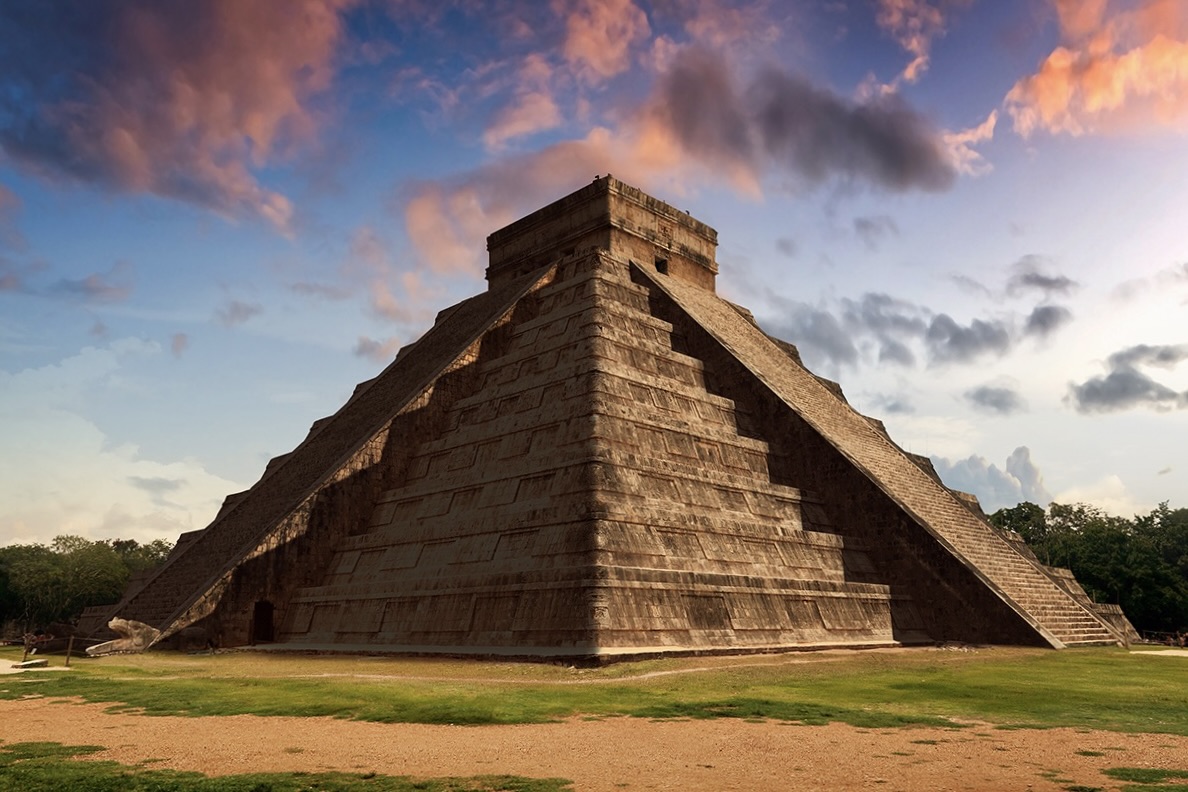
The most famous Mayan site in Mexico lies not in the Riviera Maya proper but rather in the neighboring state of Yucatan, approximately three hours’ drive from Playa del Carmen. Chichen Itza, designated both a UNESCO World Heritage Site and one of the New Seven Wonders of the World, represents the pinnacle of Mayan architectural and astronomical achievement.
El Castillo, the 98-foot pyramid dominating the site, demonstrates the Maya’s sophisticated understanding of celestial mechanics. The structure contains 365 steps, one for each day of the solar year, and during the spring and fall equinoxes, the setting sun creates a shadow pattern on the northern staircase that resembles a serpent descending to join the carved serpent head at the pyramid’s base. This phenomenon, which lasts approximately 45 minutes, draws thousands of visitors to Chichen Itza each March and September, with many wearing white clothing to symbolize purification and renewal.
Beyond El Castillo, the site encompasses numerous other structures, including the Great Ball Court (the largest known in Mesoamerica), the Temple of the Warriors with its rows of carved columns, and the Sacred Cenote where offerings and human sacrifices were made to the rain god Chaac. A sound and light show illuminates the ruins after dark on most evenings. Many visitors combine the drive to Chichen Itza with stops at the colonial city of Valladolid and the Ik-Kil cenote, located just minutes from the archaeological zone.
Dive or Snorkel the Mesoamerican Reef
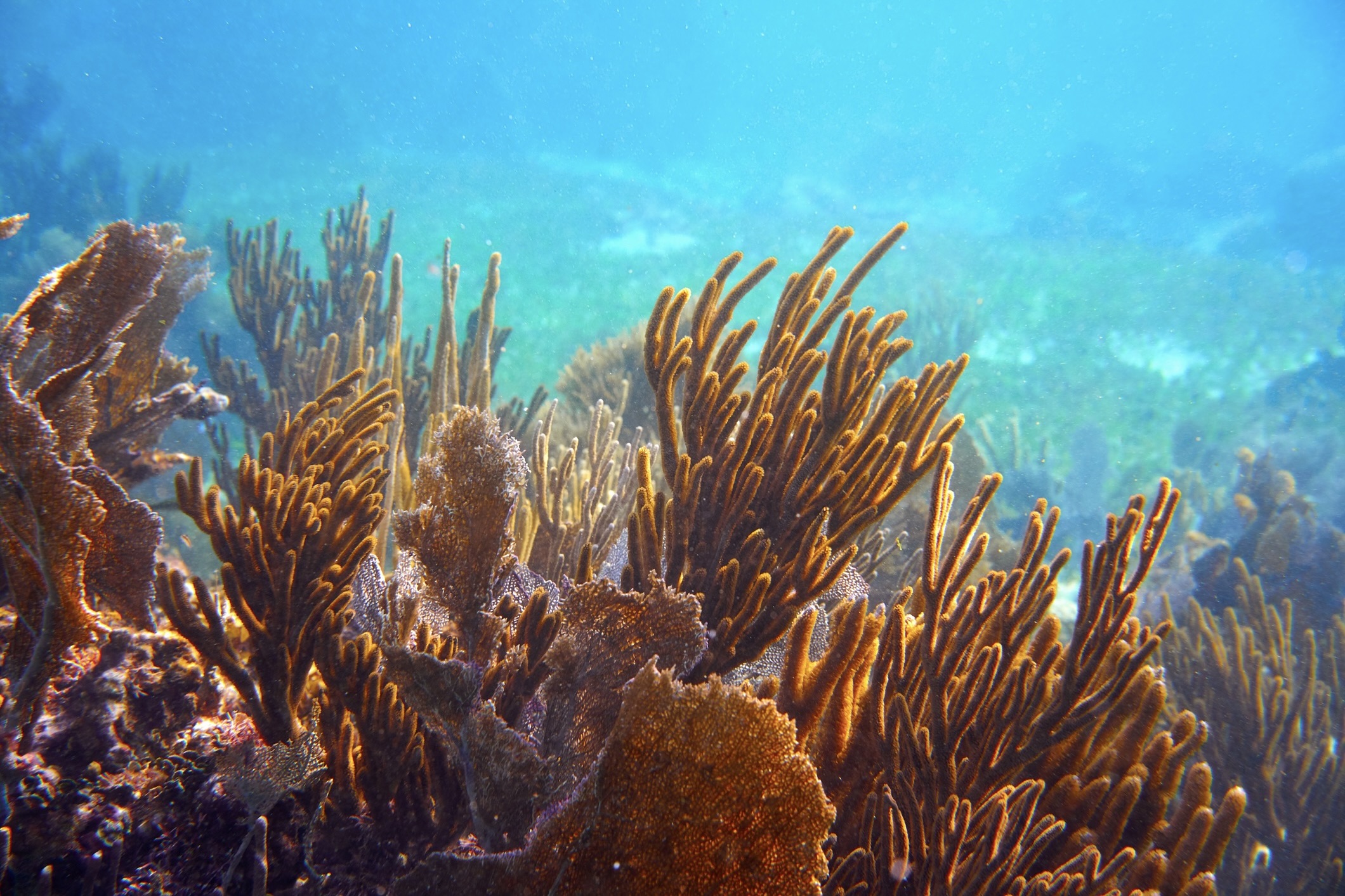
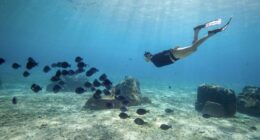
The Riviera Maya fronts one of the most biodiverse marine ecosystems on Earth. The Mesoamerican Barrier Reef System (aka the Great Mayan Reef) reaches approximately 700 miles from the northern tip of the Yucatan Peninsula to Honduras, making it the second-largest barrier reef system in the world after Australia‘s Great Barrier Reef. This underwater wilderness supports more than 65 species of coral, over 500 species of fish, and serves as critical habitat for endangered hawksbill and loggerhead sea turtles, West Indian manatees, and the largest seasonal aggregation of whale sharks on the planet.
Cozumel’s Palancar Reef system offers some of the most celebrated diving in the Caribbean, with wall dives descending past enormous coral formations into the blue depths. The MUSA Underwater Museum off the coast of Cancun and Isla Mujeres features over 500 permanent sculptures submerged to create artificial reefs, drawing both marine life and curious divers. Puerto Morelos, a quieter fishing town between Cancun and Playa del Carmen, marks the point where the reef comes closest to shore, making it an ideal destination for beginners.
For those who prefer to remain near the surface, snorkeling opportunities abound at nearly every beach destination. The reef at Akumal allows snorkelers to observe sea turtles from just feet away, while the protected waters of Xel-Ha Park provide unlimited snorkeling in an enormous natural inlet. Dive shops throughout the Riviera Maya offer PADI certification courses, guided reef excursions, and the specialized training required for cavern and cave diving in the region’s cenote systems, a unique experience available in few other places on Earth.
Journey Underground at Rio Secreto
Discovered only in 2007 when a local resident spotted a gecko disappearing into a mysterious hole in the ground, Rio Secreto has become one of the region’s most extraordinary natural attractions. This partially flooded cave system extends approximately five miles beneath the jungle, with 15 natural outlets, making it the longest semi-submerged cave on Mexico’s Yucatan Peninsula.
Located just three miles southwest of Playa del Carmen, Rio Secreto operates as a nature reserve offering guided tours through a half-mile stretch of its caverns. After a safety briefing and blessing ceremony performed by a Mayan shaman, visitors don wetsuits, helmets with headlamps, and life jackets before hiking and swimming through passages adorned with thousands of stalactites and stalagmites.
These formations grow at a rate of less than one inch per century. The cave system held sacred significance for the ancient Maya, and archaeologists have discovered paintings and ritual altars throughout the network.
Tours accommodate small groups of approximately 10 people and include transportation to the cave entrance via jungle trail, all equipment, and a regional buffet lunch. Personal cameras and jewelry are prohibited to protect the delicate formations, though professional photographs taken during the tour are available for purchase. Basic tour packages start around $89 USD for adults.
Take the Cozumel Ferry… to Cozumel!
Mexico’s largest Caribbean island lies just 12 miles offshore from Playa del Carmen, accessible by a scenic 30-minute ferry crossing. Cozumel has long attracted divers from around the world, drawn by the exceptional clarity of its waters and the dramatic underwater landscapes of the Arrecifes de Cozumel National Park. The island sits directly atop the Mesoamerican Barrier Reef, the second-largest reef system on Earth, offering visibility that often exceeds 100 feet.
Much of Cozumel’s eastern and southern coastline remains protected under national conservation status, leaving vast swaths of the island undeveloped and shrouded in native vegetation. A coastal road circuits the island, and visitors frequently rent scooters or electric bikes to explore the contrasting shorelines.
Calm, sheltered beaches ideal for snorkeling line the western side, while more rugged, wave-pounded stretches face the open Caribbean to the east. Playa Palancar and El Cielo, a shallow sandbar famous for its congregation of starfish, rank among the most popular beach destinations.
The island is also home to the San Gervasio archaeological site, once a major pilgrimage destination for Maya women honoring the fertility goddess Ix Chel. Downtown San Miguel features a pleasant Malecon (waterfront promenade), a central plaza, and numerous restaurants serving fresh seafood, including the local specialty of whole fried fish. Several luxury resorts operate on the island, including Presidente InterContinental Cozumel and Secrets Aura Cozumel, for those wishing to extend their stay.
Facts, FAQS, and Tips & Tactics
Planning your Riviera Maya adventure is certainly a lot of fun. The diversity of attractions along Mexico’s Caribbean coast ensures that no two visits to the Riviera Maya need be alike.
Here are some of our tips and tactics to help ensure your exploration of the best things to do in Riviera Maya goes swimmingly well:
· First-time visitor? Focus on the essential experiences: a morning at Tulum’s ruins followed by a cenote swim, a day exploring Xcaret or Xel-Ha, and an excursion to Chichen Itza.
· Returning visitor (you lucky thing, you!)? Then venture further afield, discovering the magic of Bacalar’s lagoon or the wildlife of Sian Ka’an.
· Cancun International Airport, Mexico’s second-busiest airport, receives direct flights from major cities across the United States, South America, and even Europe. The newer Felipe Carrillo Puerto International Airport in Tulum offers a closer arrival point for those focused on the southern reaches of the coast.
· Rental cars provide the most flexibility for exploring, though the ADO bus network connects all major destinations along the corridor, and colectivo (shared van) services offer budget-friendly transportation between towns.
· The dry season from November through April brings ideal weather conditions: warm temperatures, low humidity, and minimal rainfall. This peak period also commands premium prices and larger crowds.
· The summer months offer lower rates and fewer visitors but come with increased humidity and the possibility of brief afternoon showers.
· Whale shark season runs from mid-May through September, while the spring equinox at Chichen Itza draws visitors specifically around March 19-21.
Whatever draws you to this remarkable corner of Mexico, whether it’s ancient history, natural wonders, or simply the promise of perfect beaches, the best things to do Riviera Maya deliver experiences that linger long after that tan has faded.
___________________
Bryan Dearsley is a luxury lifestyles writer, a prolific traveler, and a Co-Founder of the Riley network of luxury lifestyle websites.