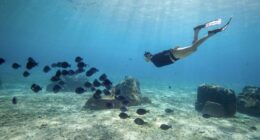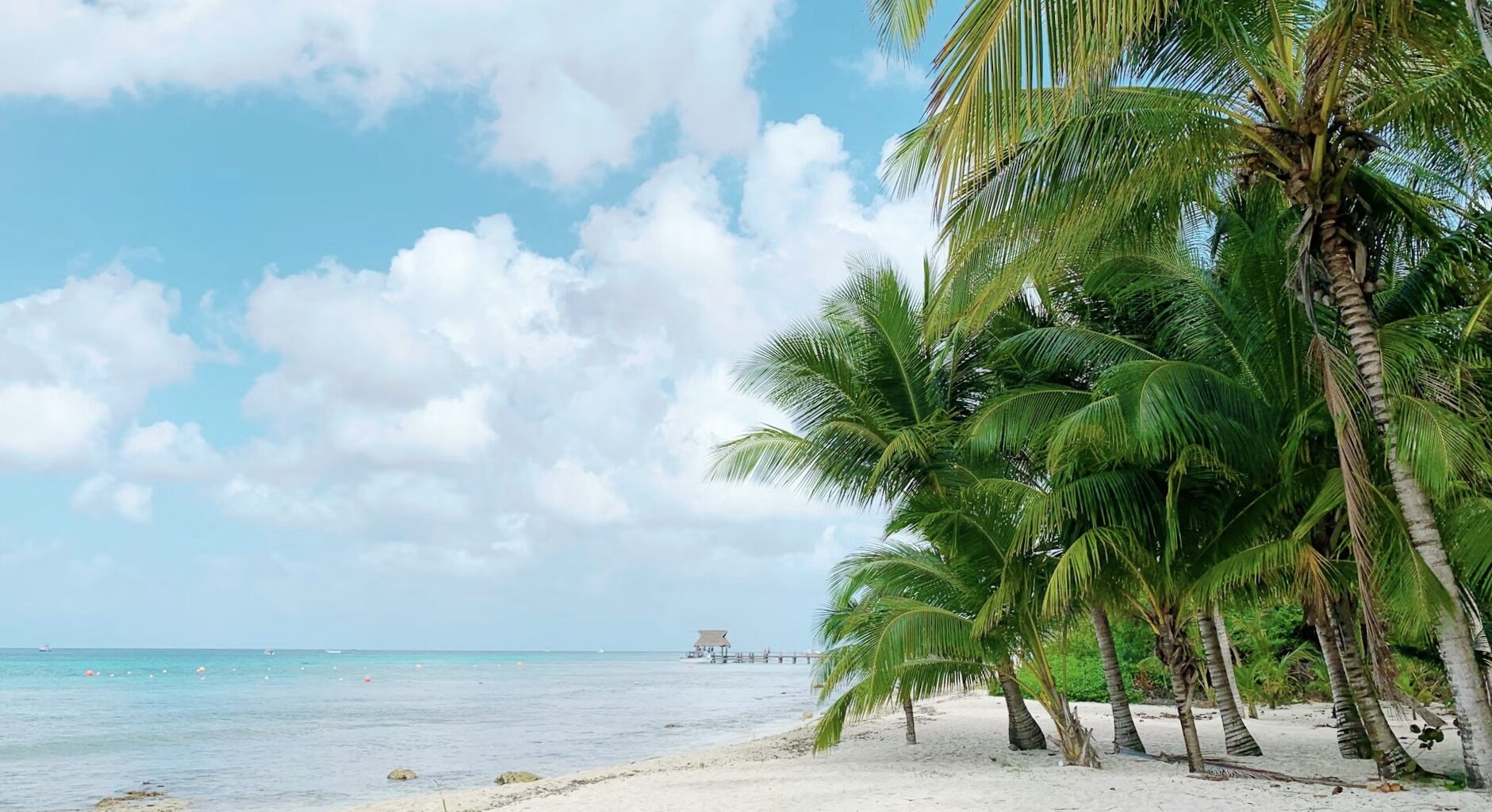
Photo: Cozumel, by Fallon Michael / Unsplash
If you’re able to pull yourself away from the beautiful beaches of Tulum and Playa del Carmen for a few hours, you’ll be rewarded with some of the most interesting sightseeing experiences to be had anywhere in Mexico.
Fortunately, a wealth of attractions are located within easy reach of the Riviera Maya by car or bus. Not only is the region is home to some of the most important Mayan archaeological sites, including Chichén Itzá, one of the largest in all of Mexico; but you’ll also be able to explore some of the Yucatán Peninsula’s most famous cenotes.
From jungle-shrouded pyramids to underground rivers, from walled colonial cities to Caribbean islands, the territory surrounding the Riviera Maya contains enough variety to fill weeks of exploration. Some destinations are just minutes away; others might just take a full (and very long) day. Rest assured, however, all of them are worth seeing.
Here to help you is our list of the very best Riviera Maya day trips for a fun vacation excursion… from the closest to the furthest away.
The Best Riviera Maya Day Trips
Xel-Ha Park
This natural aquatic playground is located nine miles from Tulum, making it the easiest trip for Riviera Maya visitors. Named after the neighboring Mayan archaeological zone, Xel-Ha (Parque Xel-Há) is more like an ecological preserve than a conventional theme park. The action here centers on a large coastal inlet where fresh and saltwater merge, creating a living aquarium populated by hundreds of tropical fish species. A dedicated section of the grounds protects nesting sea turtles.
Visitors spend hours floating through the inlet’s calm waters, peering at fish darting among underwater rock formations and submerged caves. Beyond snorkeling, the park offers a towering lighthouse slide, aerial zip lines traversing the jungle canopy, and cycling paths winding through the tropical forest. Everything from snorkel gear to buffet meals and domestic drinks comes bundled with admission.
Gates open at 8:30 AM and close at 6:00 PM daily. Kids between 5 and 11 pay 25% less than adults, while those under 4 get in free. The Mayan ruins at Tancah lie just six miles south and make a worthwhile add-on, featuring temple structures and a swimmable cenote.
The Ancient City of Cobá
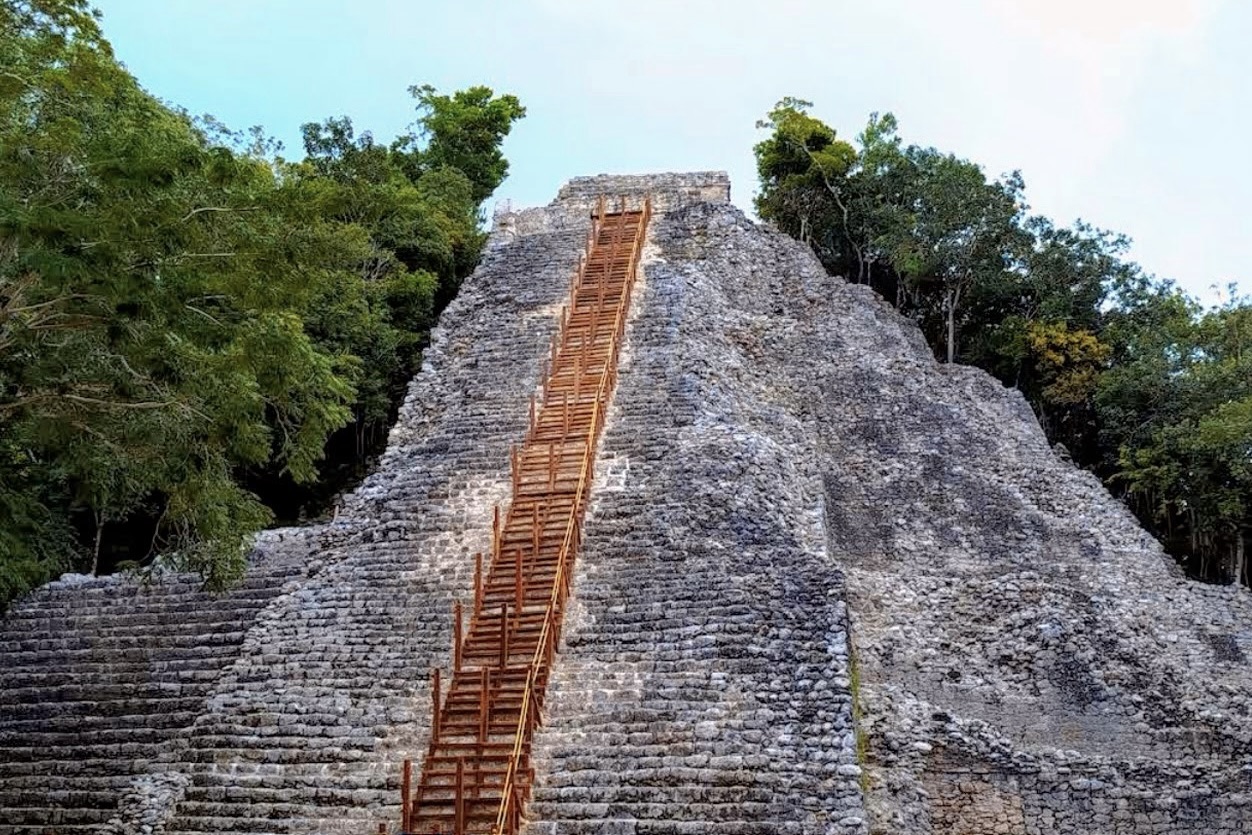
Shrouded by thick jungle roughly 45 minutes inland from Tulum (or 90 minutes from Playa del Carmen), Cobá ranks among the Yucatán’s most atmospheric archaeological zones. Construction began around 600 AD, and the city thrived for three centuries before entering a gradual decline. When Spanish conquistadors arrived in the 1500s, residents still inhabited parts of the site. Population estimates suggest as many as 50,000 people once called Cobá home.
The ruins sprawl across 27 square miles, with roughly 6,000 structures documented so far. White limestone roads called sacbeob radiate outward from the ceremonial center, some stretching dozens of miles to connect outlying communities.
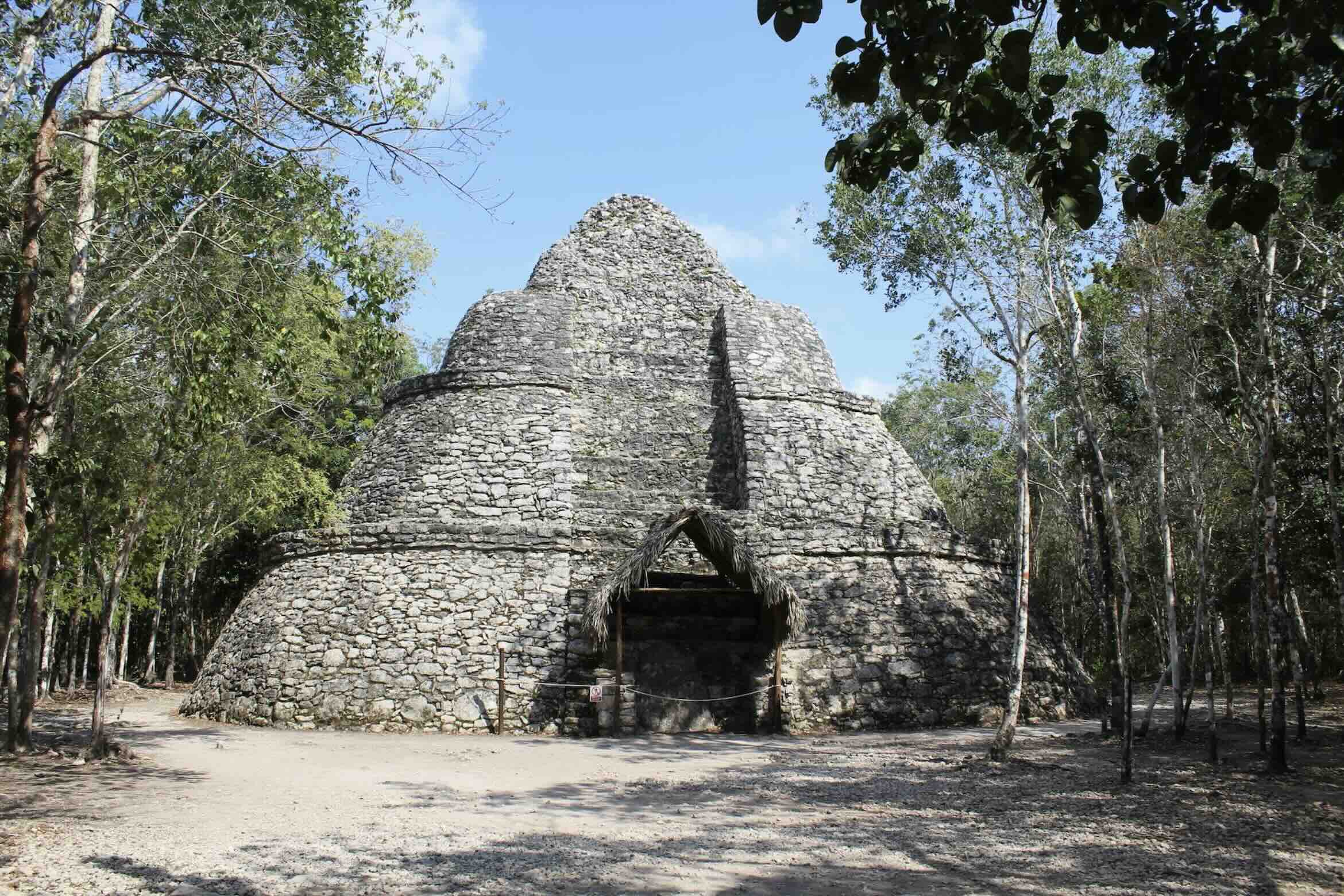
The centerpiece is Nohoch Mul, a 138-foot pyramid that stands as the tallest Mayan structure on the entire peninsula. Two ancient ball courts remain intact, their sloped walls still bearing witness to the ritualistic games played here over a millennium ago.
Exploring by rented bicycle or hired pedicab adds adventure to the experience, as the distances between building clusters make walking impractical in the tropical heat. Three cenotes (Multum-Ha, Tamchach-Ha, and Choo-Ha) lie minutes from the entrance, offering a refreshing reward after hours among the ruins.
Island Escape: Cozumel
Mexico’s third-largest island stretches 28 miles long and 11 miles wide, floating in the Caribbean roughly 12 miles off the Yucatán coast. Reaching Cozumel from Playa del Carmen involves a pleasant 45-minute ferry crossing. Three operators (Ultramar, Winjet, and Xcaret Xailing) run boats departing approximately every hour between 6:30 AM and 10:00 PM. Budget around 250 pesos ($12 USD) each way or 500 pesos ($25 USD) for a return ticket.
The ferry docks in San Miguel, the island’s only real town. Steps from the pier, the Museo de la Isla chronicles Cozumel’s natural environment and human history through well-curated exhibits. The surrounding streets offer everything from handcrafted souvenirs to high-end jewelry. Adventure seekers can head inland to parks offering canopy tours and climbing challenges amid the island’s interior forests.
Archaeology enthusiasts should budget time for San Gervasio, the most significant of Cozumel’s approximately 30 documented Mayan sites. The temple complex dates to around 800 AD and once served as a pilgrimage destination dedicated to Ixchel, the goddess of fertility and medicine.
Swimming in Sacred Cenotes
Nothing defines the Yucatán quite like its cenotes, thousands of natural sinkholes formed when limestone bedrock collapsed to expose underground rivers and aquifers. The ancient Maya considered these pools sacred, using them as water sources during dry seasons and as sites for religious offerings. Some served darker purposes as locations for human sacrifice.
Visit today and you’ll encounter something altogether more inviting: swimming holes of extraordinary clarity, their mineral-rich waters filtered through porous rock over millennia. Some cenotes lie open to the sky; others hide within caverns dripping with stalactites. Many reach depths suitable for certified divers. Aktun Chen, convenient to the Riviera Maya, combines cenote swimming with zip lines and cave exploration. Gran Cenote outside Tulum draws crowds for good reason, as its crystalline waters and dramatic rock formations photograph beautifully.
The colonial town of Valladolid (roughly two hours from Playa del Carmen) offers access to particularly impressive examples. Cenote Xkeken and Cenote Samula occupy adjacent properties in the village of Dzitnup. Xkeken hides within a cave festooned with stalactites that nearly touch the turquoise surface. Samula features a roof punctured by a small opening through which sunlight streams dramatically. A single 226-peso admission covers both; hours run 8 AM to 5 PM daily.
Cancún: Mexico’s Famous Resort City
An hour north of Playa del Carmen (roughly 90 minutes from Tulum), Cancún operates at a different tempo than the Riviera Maya’s more relaxed beach towns. The Hotel Zone occupies a 14-mile barrier island packed with towering resorts, global restaurant chains, and nightclubs that pulse until dawn. The beaches here rival any in the Caribbean.
Beyond sun and sand, the city holds genuine cultural appeal. The Museo Maya de Cancún showcases one of the region’s finest collections of pre-Columbian artifacts, and the grounds include the compact San Miguelito ruins. La Isla Shopping Village combines upscale retail therapy with waterfront dining along artificial canals, and an interactive aquarium anchors the complex.
For authentic local flavor, skip the Hotel Zone entirely and head downtown to El Centro. Parque de las Palapas comes alive each evening as families gather, children play, and food vendors hawk regional specialties. ADO buses connect Playa del Carmen to Cancún frequently throughout the day (roughly one hour travel time), while colectivo vans running along Highway 307 cost considerably less.
Colonial Charm in Valladolid
Two hours west of Playa del Carmen, Valladolid preserves the unhurried grace of colonial Mexico without the tourist crowds that descend on larger cities. Despite ranking as the Yucatán’s third-largest municipality, the population barely exceeds 50,000, and the compact historic center invites leisurely exploration on foot. The Convent of San Bernardino de Siena, established by Franciscan friars in 1552, anchors the town’s architectural heritage with its imposing facade and peaceful cloister.
Calzada de los Frailes deserves special attention. This cobblestone street connecting the convent to the main plaza showcases Valladolid’s signature colorful facades, now housing boutique hotels, artisan shops, and sidewalk cafes. Cenotes practically surround the town. Cenote Zaci occupies a park within the city limits. The Dzitnup pair (Xkeken and Samula) lie 15 minutes south. Hacienda San Lorenzo Oxman features a photogenic swimming hole where vines dangle from the circular opening above.
Consider spending at least one night. Valladolid positions travelers perfectly for early-morning visits to Chichén Itzá (45 minutes west) or the less-visited but equally impressive ruins at Ek Balam (30 minutes north).
Chichén Itzá: Icon of the Maya World
Roughly 112 miles and two and a half hours separate Playa del Carmen from one of archaeology’s most recognizable landmarks: Chichén Itzá. This UNESCO World Heritage Site represents the pinnacle of Maya-Toltec civilization, its monuments restored to showcase their original grandeur. Driving via the toll highway costs approximately 470 pesos each direction; organized tours handle logistics for those preferring not to navigate independently.
The 100-foot Pyramid of Kukulkán (commonly called El Castillo) dominates the central plaza, its geometry calibrated with astronomical precision. During the spring and autumn equinoxes, afternoon shadows slither down the northern staircase, mimicking a serpent’s descent. Surrounding structures include the Temple of the Warriors, fronted by ranks of carved columns, and the Great Ball Court, which at 551 feet long dwarfs every other playing field in ancient Mesoamerica. Stone carvings depicting Chac-mool figures (reclining statues clutching offering bowls) appear throughout the complex.
The Tzompantli platform once displayed the skulls of sacrificial victims on wooden stakes. A 985-foot stone causeway leads to the Sacred Cenote, where the Maya deposited offerings of jade, gold, and human remains. Authorities prohibited climbing El Castillo in 2008 to preserve the structure. Arrive when gates open at 8 AM to explore before tour buses flood the site around mid-morning and temperatures climb toward their midday peak.
Underground Mysteries at Balankanché
Four miles east of Chichén Itzá along the old highway toward Valladolid, a cave system extends more than 1.2 miles beneath the jungle floor. The Maya named it Balankanché, meaning “Throne of the Sacred Jaguar,” and used its chambers for ceremonies honoring Chaac (the rain deity) and the Toltec equivalent Tláloc. Local people knew of the caves for generations, but their full extent remained hidden until 1959 when an exploring guide squeezed through a narrow passage into previously sealed chambers.
What he discovered amazed archaeologists: ritual objects arranged exactly as priests had left them eight centuries earlier. Clay vessels, incense burners, and carved stone implements surrounded altars in multiple chambers. The cavern’s focal point features a massive stalactite formation resembling the sacred ceiba tree central to Maya cosmology. Deeper passages lead to an underground pool where clear water laps against another altar. Tiny eyeless fish and translucent shrimp inhabit these lightless waters.
Tours depart hourly in Spanish, English, and French, incorporating a sound and light presentation. The caves operate daily from 9 AM to 5 PM; expect to pay around 150 pesos for admission. Fair warning: temperatures inside hover near uncomfortable, humidity approaches saturation, and passages narrow in places. Visitors with respiratory issues or claustrophobia should consider skipping this one.
Mérida: The White City
The Yucatán state capital lies three to four hours west of the Riviera Maya (approximately 164 miles), far enough to warrant at least two nights for proper appreciation. Mérida‘s historic core feels worlds apart from the Caribbean coast. Spanish colonial architecture lines broad plazas, horse-drawn carriages clatter over cobblestones, and cultural traditions stretch back nearly five centuries.
Locals have long favored white clothing as a practical response to the tropical climate, earning Mérida its nickname: la Ciudad Blanca. The Spanish founded the city in 1542, building atop the ruins of a Maya settlement. Today, a substantial expatriate community from North America and Europe has established roots here, drawn by the reasonable cost of living and genuine Mexican character. Galleries and design studios occupy renovated colonial mansions.
Plaza Grande (also called Plaza de la Independencia) forms the heart of the old city, surrounded by cafes, restaurants, and important civic buildings. The Church of Jesús on nearby Parque Cepeda Peraza houses an elaborate gilded altarpiece worth seeking out. Paseo de Montejo, a tree-lined boulevard inspired by Parisian examples, showcases extravagant mansions built during the henequen fiber boom of the late 1800s. Hiring a horse-drawn calesa remains a popular way to absorb the atmosphere.
Campeche and the Fort of San Miguel
Plan an overnight for this destination. Roughly four to five hours separates the Riviera Maya from the Gulf Coast city of Campeche, another UNESCO World Heritage Site. Massive stone walls once encircled the entire settlement, built to repel the pirates who terrorized this coast during the colonial era. Sections of the fortifications remain intact, along with several bastions converted to museums and cultural centers.
The most impressive defensive structure stands 2.5 miles southwest of downtown on a commanding hilltop. Fuerte de San Miguel reached completion in 1779 after decades of construction, its design incorporating a functional drawbridge and artillery positions still armed with period cannons. Ten exhibition halls now occupy the interior, showcasing the finest Maya artifacts in the region. Jade burial masks recovered from Calakmul draw particular attention, as do delicate ceramic figurines excavated from burial sites on Jaina Island.
The museum reopened in 2020 following extensive renovation. Hours run Tuesday through Sunday, 8 AM to 5 PM, with admission around 70 pesos. Beyond the fort, Campeche’s historic center rewards wandering. Brightly painted buildings line pedestrianized streets, the cathedral dominates the main square, and a 4.3-mile waterfront promenade invites evening strolls along the Gulf.
___________________
Bryan Dearsley is a luxury lifestyles writer, a prolific traveler, and a Co-Founder of the Riley network of luxury lifestyle websites.