Photos: Carlos Rosado van der Gracht / LuxuryRivieraMaya (Unless otherwise credited)
Located just 90 miles west of Tulum (a two-hour car ride), magnificent Chichén Itzá is considered one of the New Seven Wonders of the World and has been recognized as a UNESCO World Heritage Site since 1988.
This ancient Mayan city was an important ceremonial center for over 700 years, and by the 11th century was the political and religious capital of a revived Mayan. And it’s big. Spanning nearly 20 acres of archaeological terrain, only a fraction has as yet been fully excavated.
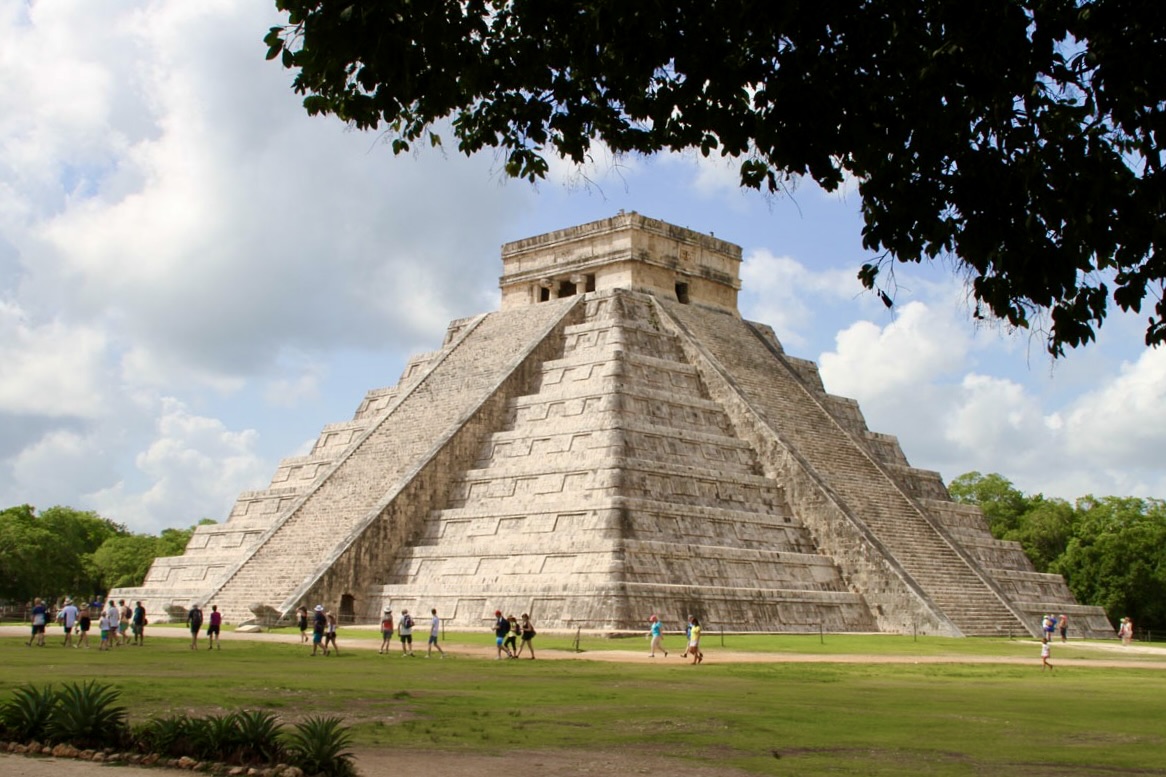
In 2024 alone, Chichén Itzá welcomed more than 2.2 million visitors, firmly establishing itself as the most visited archaeological site in the Americas, surpassing both Machu Picchu and Petra. According to INAH (Mexico’s National Institute of Anthropology and History), the site captured 23 percent of total visitors to Mexico’s 176 archaeological zones.
Little surprise, then, that a day trip to Chichen Itza from Riviera Maya remains one of the most rewarding excursions available for visitors to Mexico’s Caribbean region, with organized tours, private guides, and self-drive options all accessible.
The History of Chichén Itzá
The name “Chichén Itzá” translates from Mayan as “at the mouth of the well of the Itzá.” The Itzá (a literal translation of “water sorcerers”) were the Mayans who founded the city around AD 450 after tribes migrating from the south settled here. Research indicates that Toltec tribes from the central Mexican highlands visited this region of the Yucatán during the 7th century, interacting with the resident Maya and influencing local architecture.
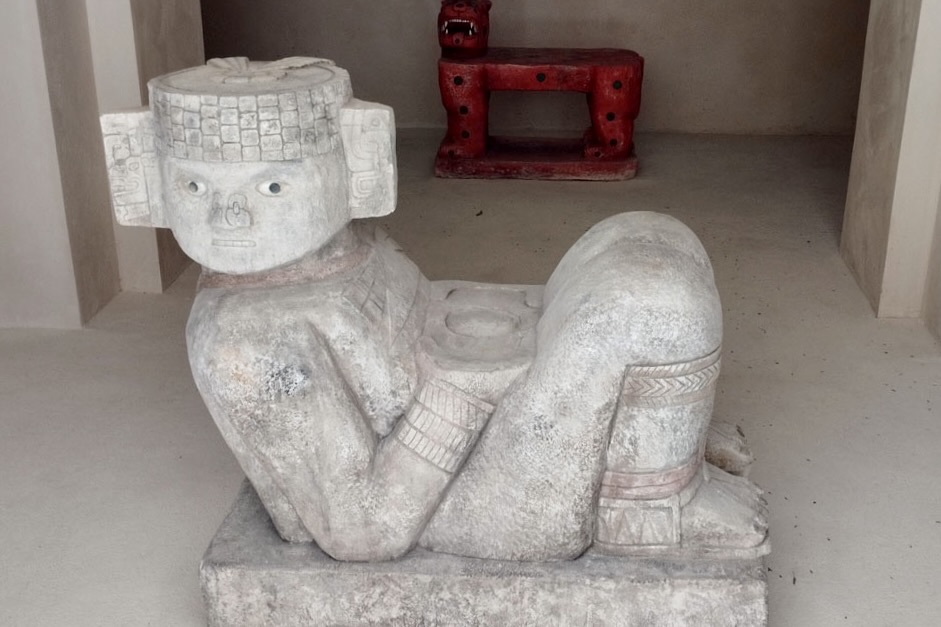
This cultural exchange produced a renaissance of Mayan architecture dominated by Toltec elements, resulting in Chichén Itzá’s architectural similarity to Tollán, the old Toltec capital. The city reached its peak during the Terminal Classic (AD 800–900) and early Postclassic period (AD 900–1200). By the time of the Spanish Conquest in 1533, the city was largely uninhabited, though it retained significance as a pilgrimage destination.
The 19th century brought archaeologists from Europe and the Americas who began systematic excavation. Archaeological exploration continues today, with recent discoveries revealing structures and artifacts that expand understanding of this once-powerful city.
Things to Do in Chichén Itzá
El Castillo: The Pyramid of Kukulkán
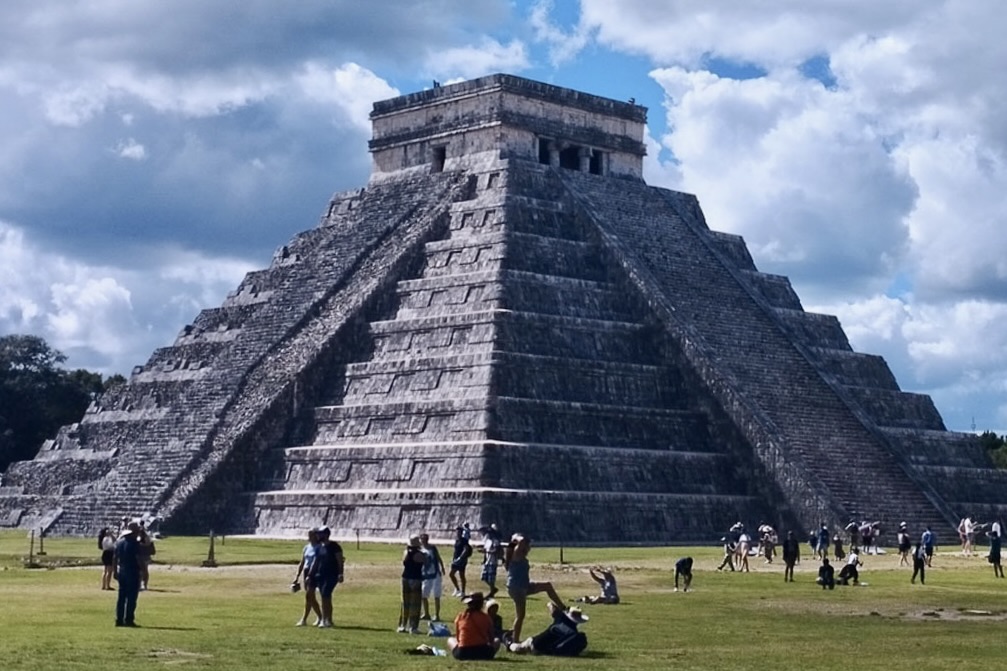
The Pyramid of Kukulkán dominates the northern portion of the archaeological zone, rising nearly 100 feet above the plaza floor. Built according to precise astronomical calculations, this four-sided pyramid features nine terraced platforms and four stairways, each containing 91 steps, that symbolize the nine heavens and the four cardinal directions. Together with the upper platform, these 365 steps represent the days of the solar year.
Large serpent heads carved in stone guard the base of the northern stairway, and it is here that visitors witness one of archaeology’s most celebrated phenomena. During the spring equinox (March 20–21) and autumn equinox (September 21–22), the setting sun casts triangular shadows along the northwest balustrade that connect to form the undulating body of a serpent appearing to descend the pyramid.
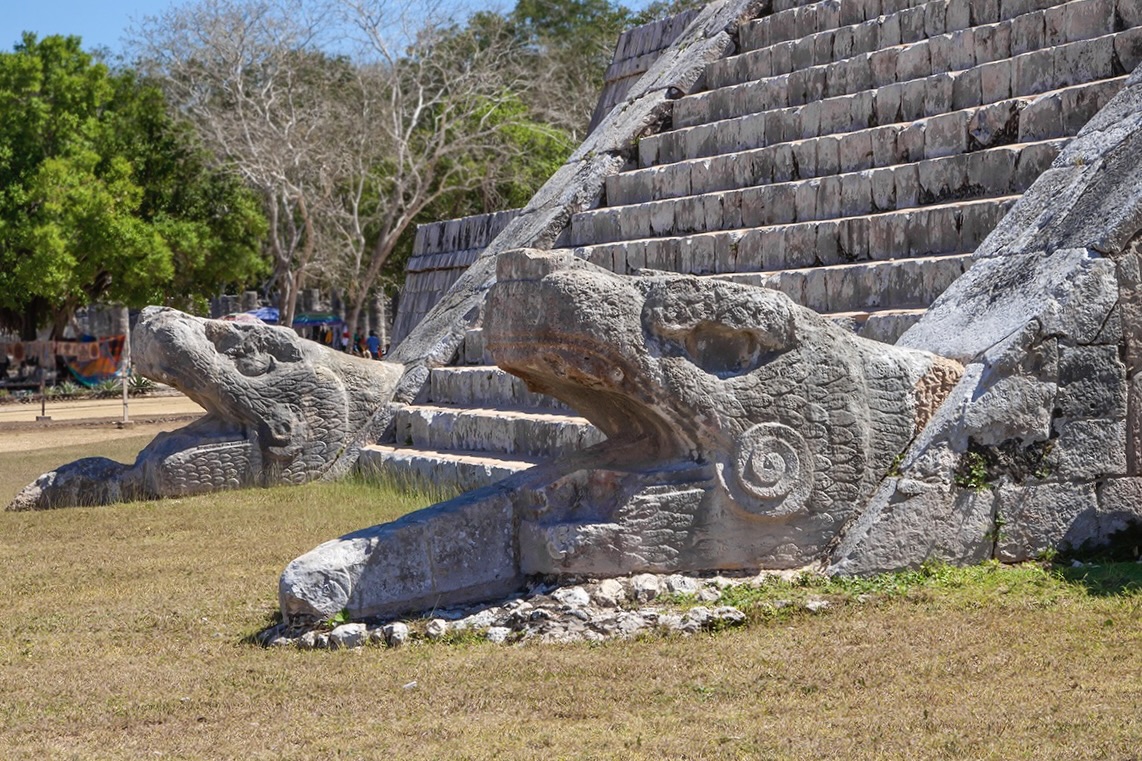
This shadow spectacle is visible for approximately 45 minutes beginning around 3:45 pm local time and draws thousands of visitors annually. In March 2025, more than 8,600 people gathered to witness the phenomenon.
Archaeological investigation has revealed that a pure Mayan-style temple lies concealed within the pyramid, itself built over an even older structure. Visitors can no longer climb El Castillo, but its geometric precision and astronomical alignment remain awe-inspiring from ground level.
Temple of the Warriors and the Hall of a Thousand Columns
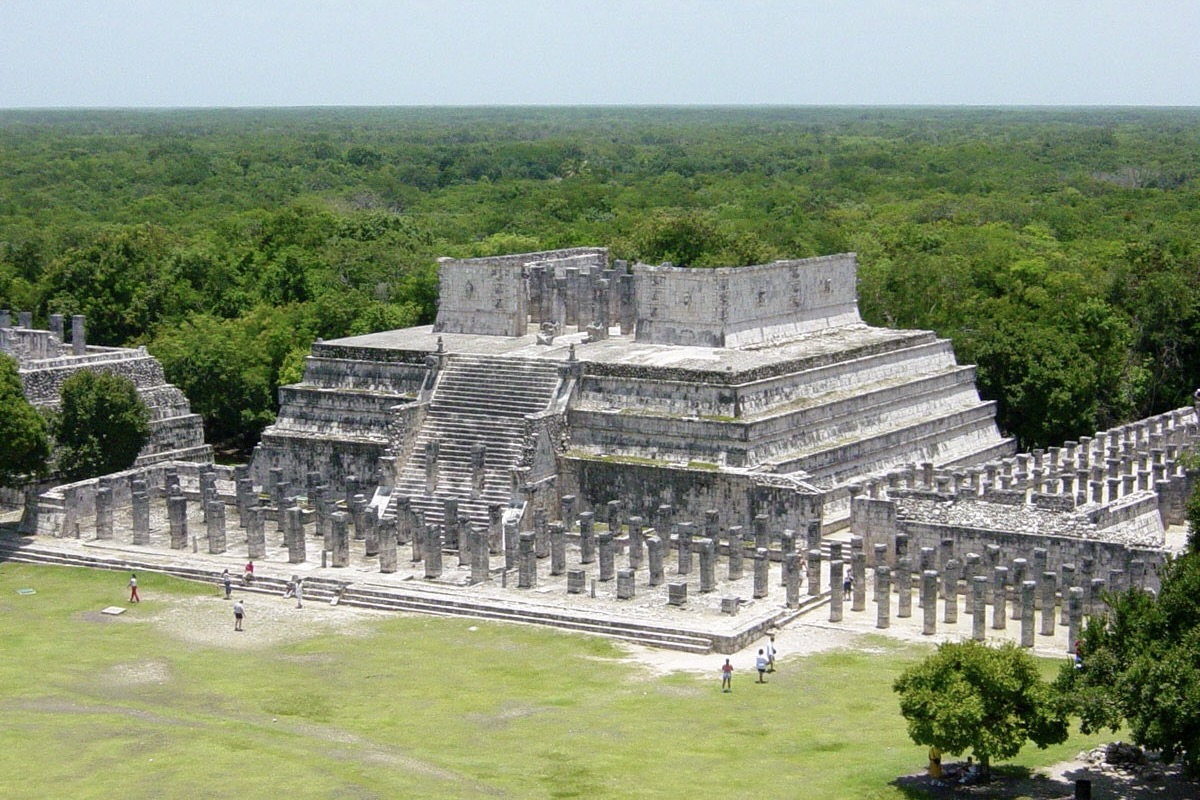
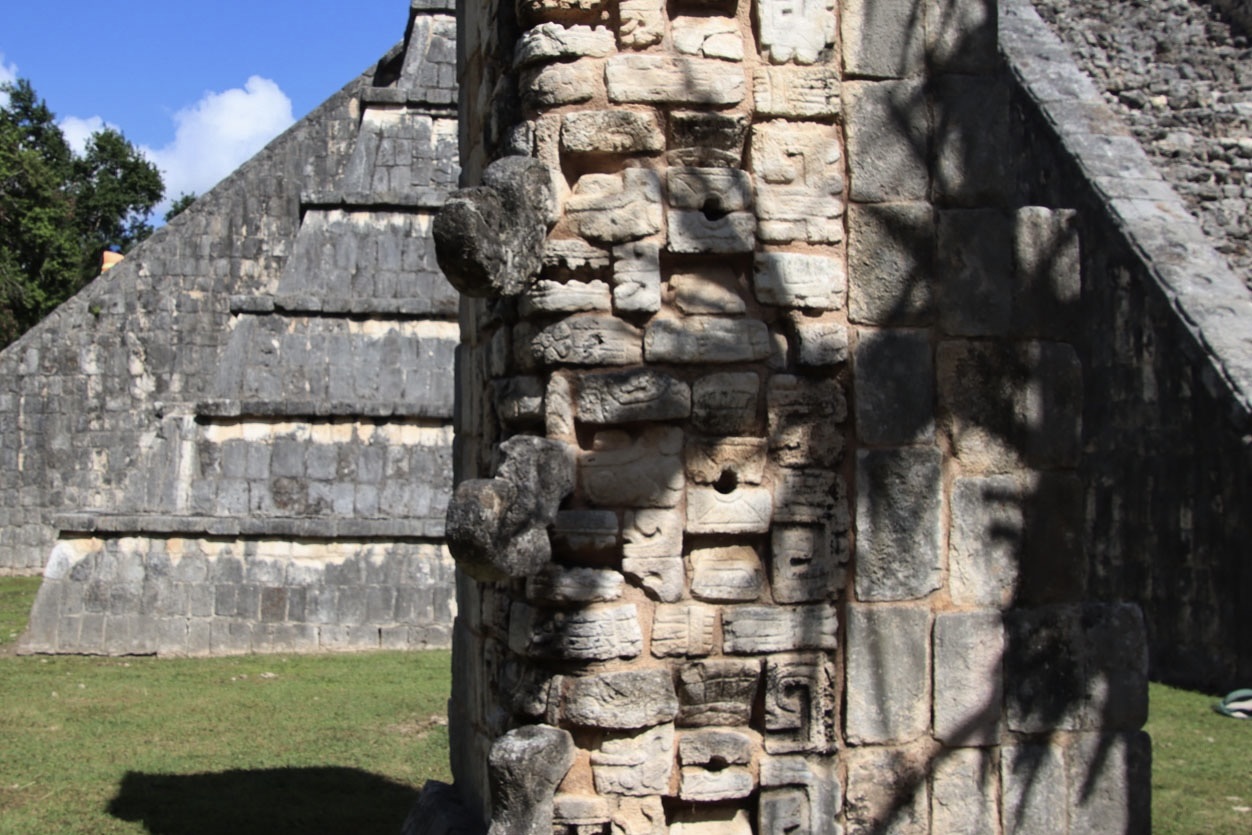
East of El Castillo stands the Temple of the Warriors (Templo de los Guerreros), a commanding structure comprising spacious columned halls that mirror the Temple of the Morning Star at Tula. Rows of square pillars depicting Toltec warriors guard the approach to the temple stairway, at the summit of which sits a reclining Chacmool figure. The temple entrance is flanked by massive, feathered serpent columns, their heads resting on the ground and tails extending skyward.
Adjacent to the temple on its southern flank extends the Grupo de las Mil Columnas (Group of a Thousand Columns), a colonnaded structure believed to have functioned as an indoor marketplace or assembly hall. The forest of columns creates an atmospheric passage through what was once a covered space of considerable size.
The Great Ball Court
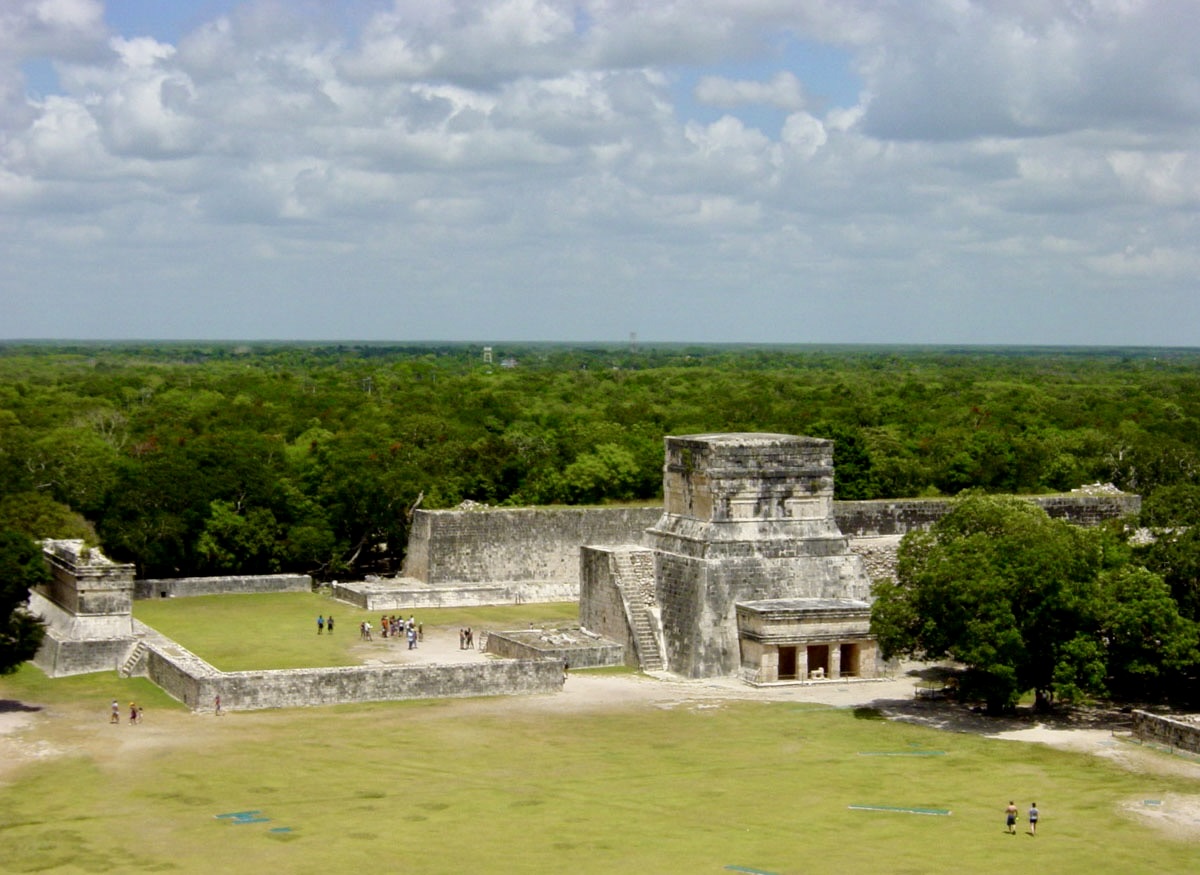
Chichén Itzá contains seven ball courts, though the Great Ball Court (Gran Juego de Pelota) dwarfs all others in Mesoamerica. Measuring 480 feet by 120 feet with vertical walls reaching nearly 30 feet, this arena hosted the ritual ball game in which players struck a hard rubber ball using only their elbows, knees, or hips. Heavy stone rings with serpent ornamentation protrude from the walls at center court served as the targets through which players attempted to pass the ball.
Relief panels along the court walls depict players being decapitated, evidence of the game’s sacrificial conclusion. The court’s acoustics are remarkable: a whisper at one end can be heard clearly at the opposite wall 500 feet away. Small temples dedicated to the gods of the sun and moon stand at either end of the playing field.
Temple of the Jaguars

Built into the southeast wall of the ball court, the Temple of the Jaguars (Templo de los Tigres) takes its name from carved stone jaguar figures in the lower shrine. The upper temple, reached by a steep external stairway, overlooks the ball court and features serpent columns flanking its entrance.
Friezes depicting jaguars decorate the façade, while interior murals portray scenes of battle between Maya and Toltec warriors.
Cenote Sagrado
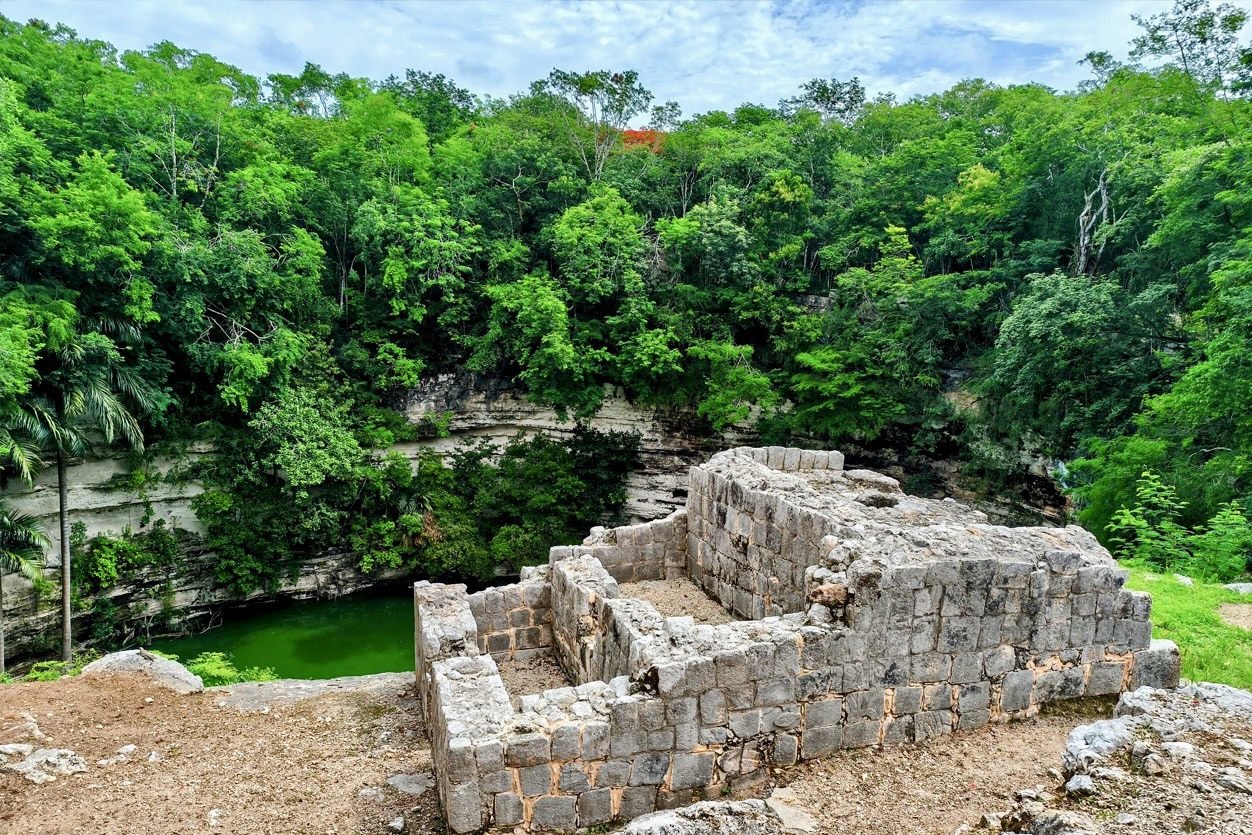
A 20-foot-wide sacbé (white road) extends 1,000 feet northward from the pyramid to the Cenote Sagrado (Sacred Cenote), a natural sinkhole that likely determined the city’s original location. This nearly circular cenote measures approximately 200 feet across, with limestone walls dropping 80 feet to the water’s surface; the water itself reaches depths of nearly 270 feet.
From the 7th century through the Spanish colonial period, the cenote served as a pilgrimage site. During times of drought, jade objects, gold ornaments, and human sacrifices were offered to Chaac, the rain god. Diving expeditions between 1904 and 1967 recovered approximately 50 human skeletons alongside thousands of artifacts in ceramic, jade, copper, and gold. Many of these objects now reside in the Gran Museo Maya de Chichén Itzá.
Tzompantli: The Skull Platform
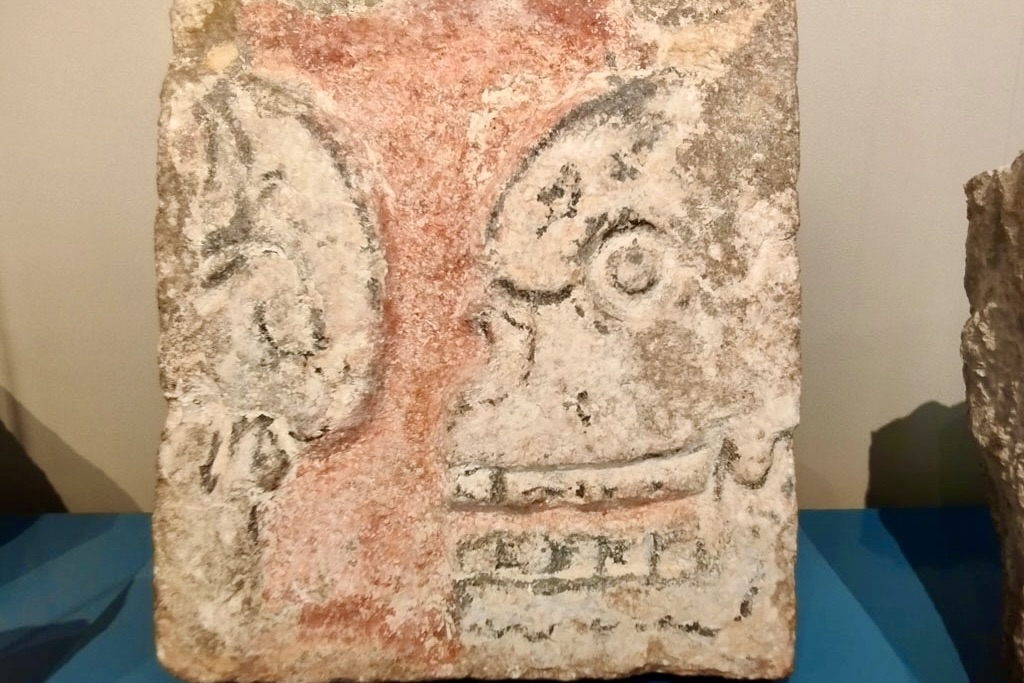
Near the sacred cenote stands Tzompantli, a large square platform adorned with carved rows of human skulls. This structure served as a base for the wooden stakes upon which the decapitated heads of sacrificial victims were displayed. Adjacent sits the smaller Platform of the Eagles and Jaguars (Casa de los Aguilas), its walls decorated with reliefs of eagles and jaguars clutching human hearts—symbols representing the two elite Toltec warrior orders.
El Caracol: The Observatory
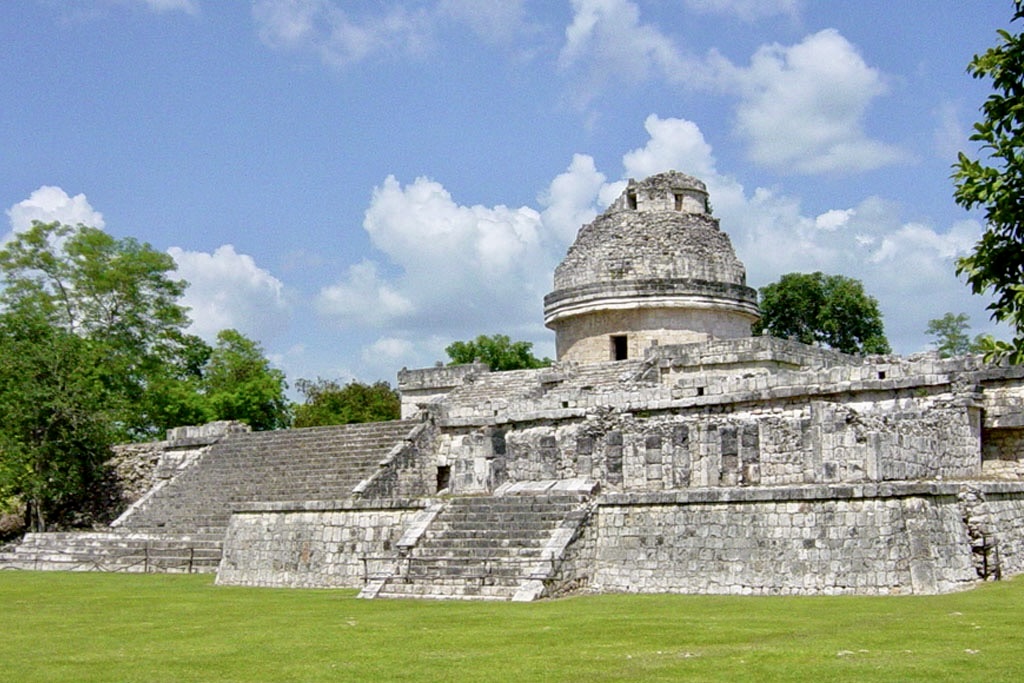
Among the most architecturally distinctive structures at Chichén Itzá is El Caracol (The Snail), named for the spiral staircase winding through its circular interior. This building functioned as an astronomical observatory, with narrow slits in the upper walls precisely aligned to track celestial events, including the movements of Venus and the setting sun during equinoxes. The Maya used these observations to maintain an accurate calendar system.
The Nunnery Complex
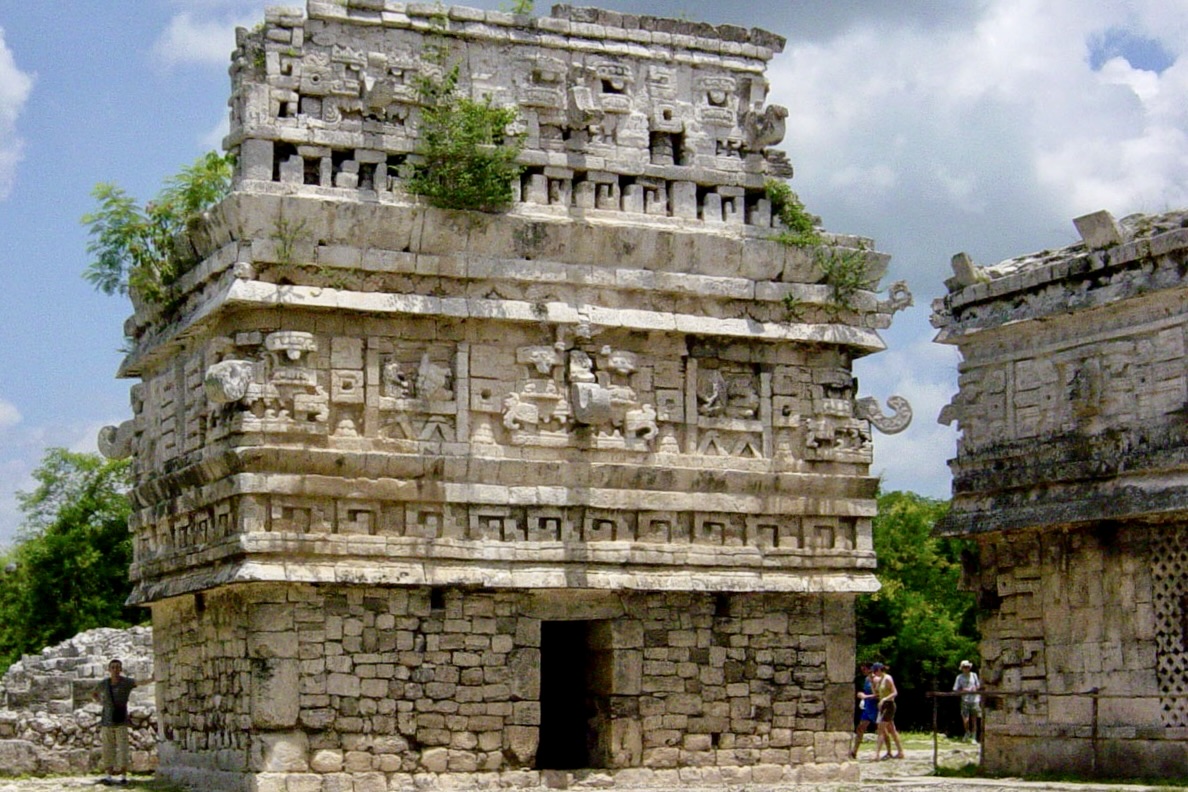
The Edificio de las Monjas (Nunnery) represents an exceptional example of the Chenes architectural style, with virtually every surface covered in carved symbols of Chaac, the rain deity. The adjacent building known as La Iglesia (The Church) exemplifies Puuc architecture, featuring geometric patterns and elaborate masks. Despite their Spanish colonial names, these structures had no religious connection to Christianity, and early explorers simply assigned familiar terms to buildings they could not identify.
Chichén Viejo (Old Chichén)

In September 2023, INAH opened Chichén Viejo, a previously restricted area containing some of the site’s oldest structures, to limited public access. Located approximately one mile south of El Castillo, this zone includes the Initial Series Group, believed to have been an elite residential compound. A carved stone lintel found here dates to AD 619, making it the oldest dated inscription at Chichén Itzá.
Access to Chichén Viejo is limited to 100 visitors daily, organized in two groups of 50 operating Thursday through Saturday. Reservations must be made in advance at the site’s ticket office, and each visit includes a guided tour of approximately 2.5 hours. The additional admission fee is 90 pesos beyond the standard site entry.
Gran Museo Maya de Chichén Itzá
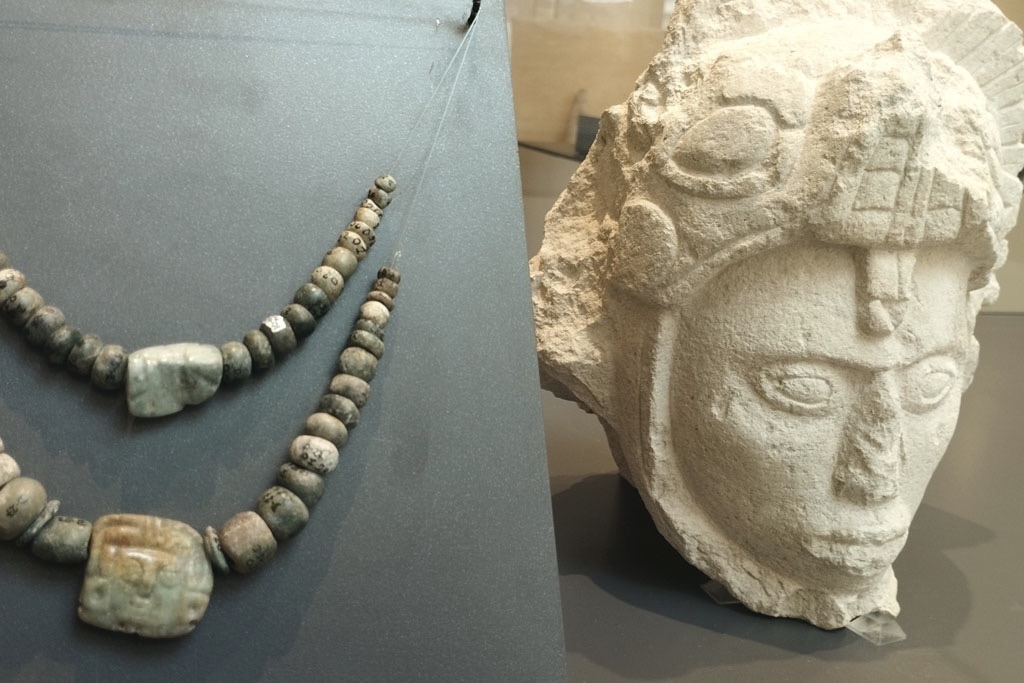
Opened in March 2024, the Gran Museo Maya de Chichén Itzá is the first full-scale museum dedicated to the archaeological site. Spanning approximately 30,000 square feet of exhibition space, the museum displays more than 400 original artifacts—many recovered during recent excavations for the Maya Train project—alongside replicas and immersive recreations.
Notable exhibits include monumental serpent heads, the unique Chacmool from the Palace of the Columns (the only known example with a detachable, movable head), and multimedia recreations of spaces closed to visitors, such as the Sacred Cenote and the interior substructure of El Castillo. The museum can accommodate up to 8,000 visitors daily and is accessible via the Chichén Itzá station of the Maya Train.
Fast Facts & FAQS
Hours and Admission
Chichén Itzá opens daily from 8:00 am to 5:00 pm, with last entry at 4:00 pm. Admission comprises two fees: the federal INAH ticket (100 pesos) and the state fee from the Yucatán Fiscal Administration Agency (approximately 571 pesos for foreign visitors in 2025), totaling roughly 671 pesos per adult. Mexican citizens pay reduced rates (approximately 298 pesos total), and entry is free for Mexican nationals on Sundays with valid identification. Children under 13, seniors with INAPAM credentials, and persons with disabilities enter free.
Payment is accepted in Mexican pesos (cash) or by Visa/Mastercard. Two separate ticket windows process the federal and state fees. Due to high visitor volumes (the site averages over 6,000 visitors daily), arriving early is essential, particularly during peak season from November through April. Backpacks are prohibited inside the archaeological zone per INAH regulations.
Getting There
Chichén Itzá lies approximately 125 miles (roughly 2.5 hours by road) from Cancún and 75 miles from Mérida. The site is accessible via Highway 180D (toll road) or the free Highway 180. A Chichén Itzá day tour from Cancún or the Riviera Maya typically departs early morning and includes round-trip transportation, licensed guide services, and often a stop at a cenote and the colonial town of Valladolid.
The Maya Train now connects Chichén Itzá to Mérida, Valladolid, Cancún, and other destinations across the Yucatán Peninsula, offering an alternative to road travel. The Chichén Itzá station provides direct access to the Gran Museo and the site’s Visitor Service Center.
Best Time to Visit
The dry season from November through April offers the most comfortable conditions, with temperatures in the high 70s to low 80s Fahrenheit and minimal rainfall. The wet season (May through October) brings higher temperatures and afternoon showers, though morning visits remain pleasant. Hurricane season peaks in September and October.
The spring and autumn equinoxes draw substantial crowds for the serpent shadow phenomenon. If witnessing this event is a priority, book accommodations and tours well in advance. For photography with minimal crowds, arriving at opening (8:00 am) provides the best opportunity before tour buses arrive from coastal resorts.
Enjoy an Overnight Stay Near Chichén Itzá
Spending a night near the ruins allows visitors to arrive early, beat the crowds, and experience the site at its most atmospheric. Several properties offer proximity to the archaeological zone along with distinctive character.
Hacienda Chichen Resort & Yaxkin Spa
This eco-friendly boutique hotel occupies a 500-acre Maya jungle reserve adjacent to the archaeological site. Originally a colonial hacienda that housed early 20th-century archaeologists, the property features rooms in restored cottages decorated with hand-carved furniture and local artwork.
The Yaxkin Spa offers traditional Mayan healing therapies, while the Los Faisanes restaurant serves organic Mayan fusion cuisine prepared with ingredients from the on-site garden. The property maintains a bird sanctuary, and guided nature walks reveal the region’s diverse ecosystem. Rates vary seasonally.
Mayaland Hotel & Bungalows
Established in 1923, Mayaland Hotel was the first hotel built within the grounds of an archaeological site in the New World. The property has earned recognition from National Geographic and Condé Nast Traveler. Set amid extensive tropical gardens, the hotel offers rooms, suites, and bungalows, some with direct views of El Caracol observatory.
Three pools, four restaurants serving authentic Yucatecan cuisine, a Mayan planetarium, and spa services round out the amenities. The native Maya staff provides cultural interpretation and guided site tours.
Hotel Okaan
Surrounded by tropical forest approximately 10 minutes from the ruins, Hotel Okaan offers 22 rooms and bungalows with private terraces overlooking the jungle canopy.
The property features a cenote-inspired swimming pool, a multilevel observation deck with views over the treetops (and toward Chichén Itzá when the trees are trimmed annually), and a full-service spa offering massages and traditional treatments. The poolside restaurant serves regional cuisine, and a complimentary continental breakfast is included.
Doralba Inn Chichén
A five-minute drive from the ruins, this budget-friendly property offers 40 bungalow-style rooms set in landscaped gardens with two pools. The palapa-roofed restaurant serves traditional Yucatecan dishes, and a complimentary breakfast is included. The property sits directly across from Cenote Ik Kil, one of the region’s most photogenic swimming cenotes, making it convenient for combining a visit to the ruins with a refreshing swim. Room rates start at approximately $45 USD.
___________________
Bryan Dearsley is a luxury lifestyles writer, a prolific traveler, and a Co-Founder of the Riley network of luxury lifestyle websites.