Photo: The Travel Nook / Unsplash
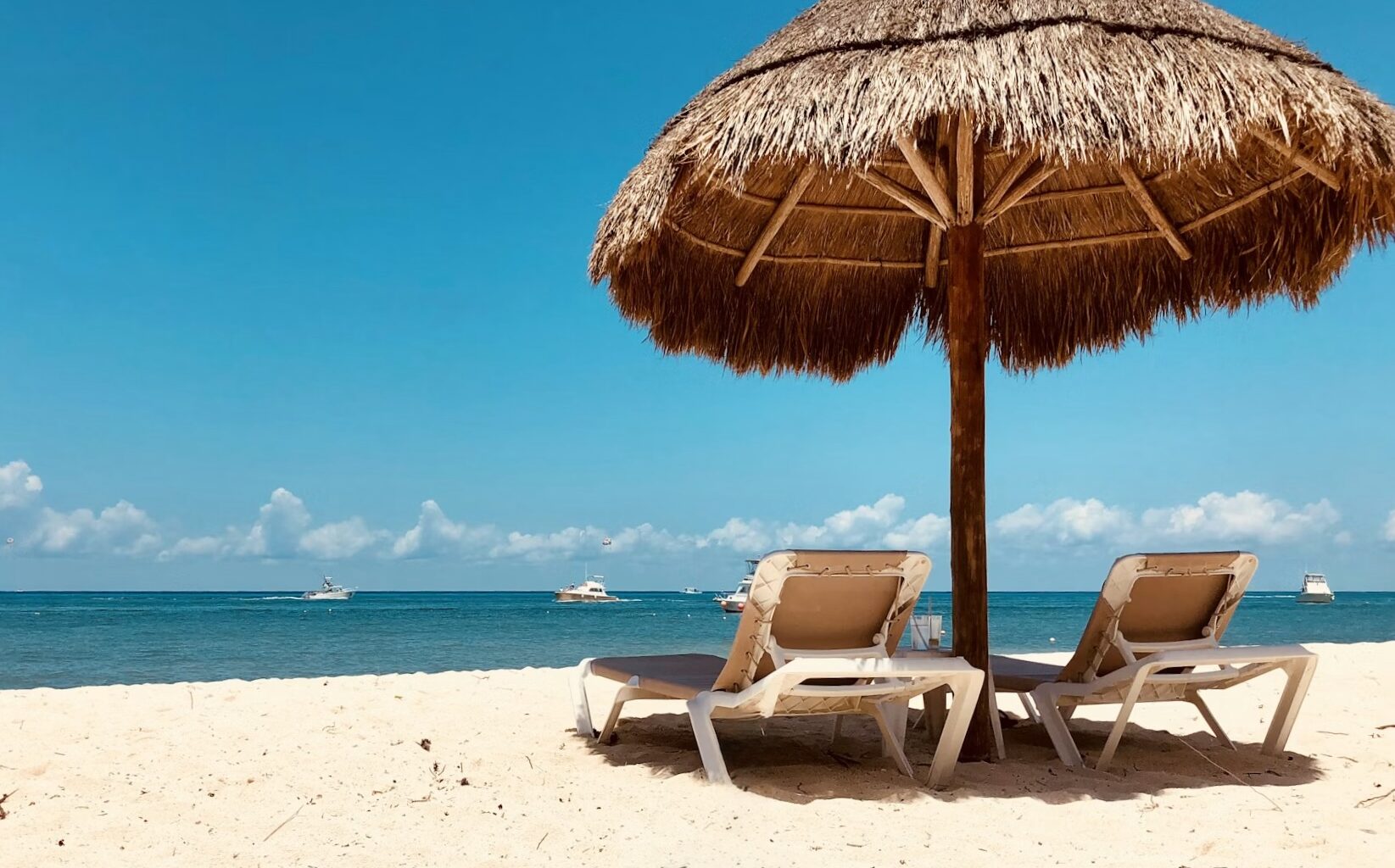
Mexico’s magnificent Caribbean Coastline is, perhaps unsurprisingly, home to some of the world’s best beaches. It’s also where you’ll find the exotic island of Cozumel, a magnificent tropical paradise that just so happens to be where you’ll find many of those beaches.
Just 12 miles offshore from Playa del Carmen and its luxury hotels, this 30-mile-long Caribbean island has become increasingly popular for its powder-soft sand and impossibly clear turquoise water. Cozumel also happens to be one of Mexico’s busiest cruise ports, welcoming more than 2.4 million cruise passengers in the first half of 2025 alone.
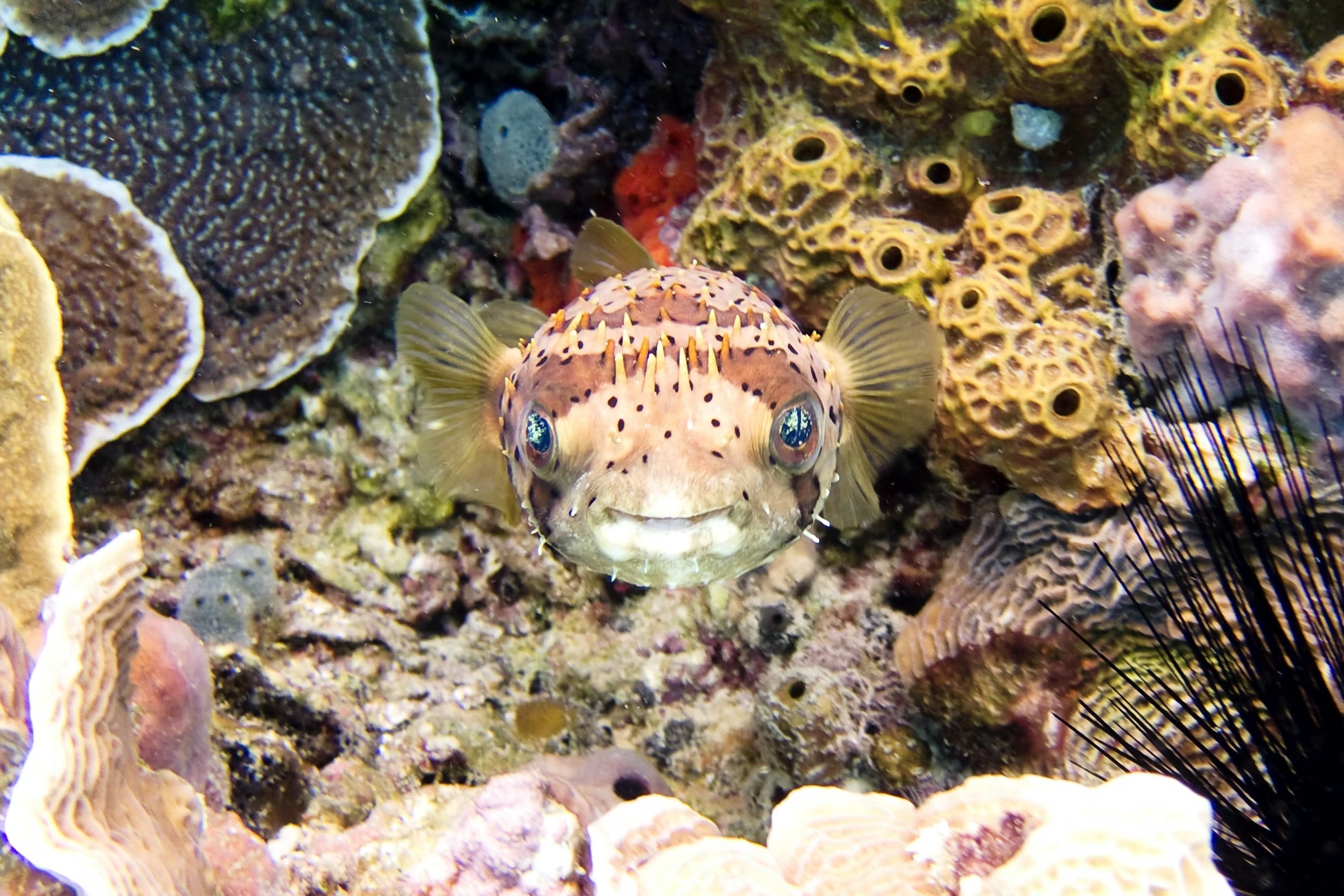
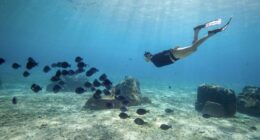
It’s also one of the Caribbean’s top destinations for snorkeling and diving thanks to the Mesoamerican Barrier Reef. The world’s second-largest reef system in the world, divers experience visibility of up to 200 feet on calm days. Best of all, even casual snorkelers can easily reach the reef to explore coral formations, tropical fish, sea turtles, stingrays, and even nurse sharks.
To help you get the most out of your island experience, here’s our guide to the best beaches in Cozumel waiting to be explored… and enjoyed.
The Best Beaches in Cozumel
Playa El Cielo
If there’s a beach in Cozumel that lives up to its name, it is Playa El Cielo. Spanish for “Heaven,” this shallow sandbar off the island’s southwestern coast has become one of the most sought-after snorkeling destinations in the region, known for the hundreds of orange starfish that rest on its white sand bottom. The water here is waist-deep and remarkably clear, creating an almost surreal experience as you wade among the starfish while stingrays glide past.
El Cielo sits at the gateway to the Columbia Reef, which teems with tropical fish, sea turtles, and coral formations. The catch is that no roads lead directly to this beach, and it can only be reached by boat. Tour operators from Cozumel and Playa del Carmen run snorkeling excursions that typically include stops at Palancar Reef and Columbia Reef before anchoring at El Cielo for lunch.
Many tours serve ceviche and drinks on floating tables while guests stand in the shallow water surrounded by rays. For visitors coming from Playa del Carmen, the ferry to Cozumel takes approximately 45 minutes, and catamaran tours depart from the Cozumel marina throughout the morning. Given its popularity, booking in advance is highly recommended.
Paradise Beach
Located about five miles south of the cruise terminals along Carretera Costera Sur, Paradise Beach has earned a reputation as one of Cozumel’s most family-friendly beach clubs. The sheltered cove provides calm, swimmable water, and the operation is family-owned, which contributes to an atmosphere that reviewers consistently describe as welcoming rather than overwhelming.
Paradise Beach offers an all-inclusive day pass that covers unlimited food and drinks from an à la carte menu, access to Cozumel’s largest heated freshwater pool, lounge chairs, and use of the beach facilities. An optional Fun Pass adds access to the floating water park with inflatables, plus kayaks, stand-up paddleboards, snorkeling gear, and water hammocks.
A taxi from the cruise port takes approximately 10 to 15 minutes and costs around $16 USD each way for up to four passengers. The beach club is open Monday through Saturday from 8:00 a.m. to 6:00 p.m. and Sunday from 10:00 a.m. to 6:00 p.m.
Mr. Sanchos Beach Club
Mr. Sanchos has operated as one of Cozumel’s premier all-inclusive beach clubs for years, attracting both cruise passengers and vacationers staying on the island. Located at Kilometer 15 on the Carretera Costera Sur, inside the protected marine park, the property spans more than 1,000 feet of white sand beach and offers a party-ready atmosphere complete with swim-up bars, poolside service, and live entertainment.
The all-inclusive day pass includes unlimited food from a buffet and à la carte menu, an open bar with domestic beer and cocktails, access to three pools, beach loungers, hammocks, and kayaks. Additional activities available for an extra fee include horseback riding on the beach (one of the only operations of its kind on the island), parasailing, jet skis, massage services, and ATV tours. VIP cabana packages provide a private beachfront space with dedicated server attention and couples’ massages.
The taxi ride from the cruise terminals takes approximately 15 to 20 minutes and costs around $18 to $20 USD for up to four passengers. Mr. Sanchos is open daily from 8:00 a.m. to 5:00 p.m., though reservations are strongly recommended, particularly when multiple cruise ships are in port.
Chankanaab Adventure Beach Park
Established in 1980 as a protected area for the region’s flora and fauna, Chankanaab National Park combines beach access with an eco-park experience. Located at Kilometer 9 on the southern coast road, the name comes from the Mayan words “Chan” (small) and “Kanaab” (sea), referring to the natural lagoon that sits within the park. The lagoon is believed to contain traces of ancient Mayan activity.
The park’s shoreline opens directly into the Cozumel National Marine Park, where snorkelers can explore underwater sculptures, coral formations, and schools of tropical fish just meters from the beach. Dolphin Discovery operates within the park, offering programs that range from brief interactions to full dolphin swims, as well as encounters with manatees and sea lion shows. Additional attractions include botanical gardens featuring more than 350 plant species, archaeological replicas, tequila tastings, and three ocean-view restaurants.
An all-inclusive ticket covers park admission, buffet lunch, open bar, snorkeling gear rental, the sea lion show, and tequila tasting. Private cabanas at The Cabana Beach, located at the south end of the park, start at $125 USD and include towels and snorkel gear. A taxi from the cruise terminals costs approximately $5 per person and takes 10 to 15 minutes. The park is open Monday through Saturday from 8:00 a.m. to 4:00 p.m. and is closed on Sundays.
Playa Palancar
At the southern end of Cozumel’s western coast sits Playa Palancar, one of the largest stretches of white sand beach on the island. The beach faces the famous Palancar Reef, part of the Mesoamerican Barrier Reef system, and offers some of the best shore snorkeling in Cozumel. Snorkelers and divers regularly spot sea turtles, lobsters, and a kaleidoscope of tropical fish in the surrounding waters.
Several small beach clubs and palapa restaurants line the shore, including the Playa Palancar Beach Club, which serves fresh fish tacos and seafood in a rustic setting. Because Playa Palancar is farther from the cruise terminals than most beach clubs, it tends to draw smaller crowds and maintains a more relaxed pace. Snorkeling guides can be hired on-site to explore the deeper sections of the reef.
This is a free public beach, though the beach clubs charge for chair and umbrella rentals unless you purchase food and drinks.
Stingray Beach

Located just two minutes from downtown San Miguel on the western coast, Stingray Beach operates as an interactive marine attraction rather than a traditional beach. The facility functions as both a coral reef sanctuary and a stingray rehabilitation center and has been a member of the Coral Restoration Network of the Mesoamerican Reef System since 2017.
The signature experience allows visitors to enter a shallow, enclosed area where they can hold, touch, and feed southern stingrays whose barbs have been safely trimmed. After the hands-on encounter, guests can snorkel in a larger enclosure alongside the rays, nurse sharks, and tropical fish. The facility also features hermit crab races, iguana photo opportunities, and a tequila and chocolate workshop.
Beach facilities include tables, umbrellas, lounge chairs, a snack bar, and changing rooms. Admission includes the stingray interaction and all-day access to the beach amenities. Sessions run hourly from 8:00 a.m. to 2:00 p.m., Monday through Saturday. Stingray Beach releases captive-born baby stingrays into the wild to support population growth in the Mexican Caribbean.
Passion Island (Isla de la Pasión)
Passion Island sits off the northern tip of Cozumel, connected to the main island by a small land bridge at Bahía Ciega. This privately operated island offers an all-inclusive beach escape that feels worlds away from the cruise terminal crowds. The beach features powdery white sand, shallow turquoise water, palm trees, hammocks, and a general atmosphere that visitors frequently compare to a Robinson Crusoe fantasy.
Most visitors reach Passion Island via guided tours that depart from downtown San Miguel or the Punta Langosta cruise terminal. Tour options include catamaran sailings (approximately one hour each way), jet boat transfers, or Jeep excursions that drive through the jungle to the ferry dock at Bahía Ciega before a short boat crossing.
All-inclusive packages typically cover transportation, a Mexican buffet lunch, domestic open bar, beach activities including kayaks and water inflatables, a kids’ club, and tequila tasting. Independent visitors can arrange a taxi boat from the Bahía Ciega dock for approximately $15 USD round-trip, though this does not include the island’s amenities. Tour prices generally range from $45 to $85 USD depending on the package and transportation method.
Playa Chen Rio
The eastern coast of Cozumel faces open Caribbean water and is known for powerful surf and strong currents. Playa Chen Rio stands as an exception: a natural rock formation creates a protected cove that blocks the waves and forms a shallow, swimmable tide pool. This makes it one of the few beaches on the windward side where families can safely swim.
Lifeguards are on duty at Chen Rio, a rarity for Cozumel’s eastern beaches. Several small restaurants line the shore, serving fresh seafood and cold drinks under palapa roofs. A handicraft shop sells locally made goods. The beach does draw crowds, particularly on weekends when local families visit, but the atmosphere remains distinctly more Mexican than the cruise-oriented clubs on the western coast.
Cash is preferred at most establishments on this side of the island, and cell phone service is limited. The beach is approximately 30 minutes from San Miguel by car or scooter.
Playa Punta Morena
Roughly halfway along Cozumel’s eastern coast, Playa Punta Morena delivers a raw, untouched beach experience far removed from the manicured grounds of the western beach clubs. The cruise terminals sit on the opposite side of the island, so the vast majority of day-trippers never make it here. Those who do find a sweeping stretch of powder-soft sand, crashing waves, and a decidedly local atmosphere.
Because the eastern beaches face the open sea, the surf here can be substantial. Punta Morena hosts surfing competitions during peak wave season, a relative rarity for this side of the Caribbean. A small beach club operates on-site with lounge chairs, hammocks, a restaurant serving fresh seafood, a bar, and even a small swimming pool for those who prefer calmer water. Beach massages are available.
Note that sargassum seaweed regularly arrives on the eastern beaches from April through August; the western coast is largely spared from this seasonal phenomenon.
Playa Bonita
For travelers drawn to words like “remote” and “unspoiled,” Playa Bonita offers one of the more secluded beach experiences on the island. Located along the eastern coast in a protected cove, this beach offers calmer water than most of its windward neighbors… a rarity that makes it suitable for swimming when conditions allow.
A beachside restaurant called Punta Chiqueros operates nearby, offering seafood, drinks, and basic amenities. The area also holds cultural significance: Mayan ruins sit a short distance from the beach, remnants of settlements that considered this point to be the easternmost edge of their world. Visitors can combine a morning at the ruins with an afternoon lounging on the beach. The drive from San Miguel takes approximately 35 to 40 minutes.
Buccanos Beach Club
Buccanos occupies a stretch of coastline in Cozumel’s North Hotel Zone, about six kilometers from the ferry terminal. Among island residents, it has developed a reputation as one of the best-kept secrets on Cozumel: a beach club that consistently draws praise for its food quality, relaxed atmosphere, and absence of the party-vibe intensity found at larger operations.
The entry fee of 400 Mexican pesos (approximately $20 to $25 USD) is credited toward food and drink purchases, making admission essentially free for anyone ordering lunch. The menu emphasizes seafood prepared with care; the almond-crusted grilled mahi-mahi and seafood bolognese have earned devoted followings. Facilities include a freshwater pool overlooking the ocean, lounge chairs under palapas, snorkel equipment rental with guided sessions, kayaks, and clean restrooms.
The snorkeling directly from the beach is considered among the best on the island for shore access. Buccanos is open Tuesday through Sunday from 10:00 a.m. to 5:45 p.m., and the property transforms into “Buccanos at Night,” an upscale dinner experience requiring reservations.
Playa San Juan
Located at the northern tip of the western coast, Playa San Juan has long served as a convenient beach option for visitors staying at nearby hotels or seeking proximity to downtown San Miguel. The calm, protected water makes it popular with families, and the beach sees steady use from snorkelers and windsurfers drawn by the favorable conditions.
Snorkel and windsurf equipment rentals are available from shops along the shore. Buccanos Beach Club sits within this stretch of coastline, offering a more structured beach club experience for those who want restaurant service, pools, and organized activities. When cruise ships are in port, the beaches closest to downtown do see increased traffic, though Playa San Juan remains less congested than the major beach clubs further south.
Playa Dzul-Ha
Playa Dzul-Ha may not win any awards for soft sand as the shoreline here is rockier than most Cozumel beaches, but serious snorkelers consider it one of the best entry points for exploring the island’s reef system. The beach provides direct shore access to a section of the Chankanaab Reef, part of the protected Cozumel Reefs National Marine Park.
No boat or guide is required to reach the reef here; snorkelers can walk into the water and begin exploring almost immediately. The Money Bar beach club operates on-site, renting snorkel gear and lockers and providing food, drinks, and lounge chairs. Water shoes are strongly recommended to navigate the rocky entry.
Sunset Beach, adjacent to Dzul-Ha, offers similarly excellent snorkeling conditions and is considered one of the top spots on the island for watching the sun go down while floating above the reef.
Playa Corona
Small in size but significant for snorkelers, Playa Corona sits directly in front of a section of the Chankanaab Reef and ranks among the oldest established beach spots on the island. The beach itself offers limited sand and is more of a rocky entry point than a lounging destination, but the underwater scenery compensates.
A beach restaurant provides lounge chairs, shade, refreshments, and snorkel equipment rentals. Beach volleyball is available for those who want to stay dry. Most visitors come specifically for the snorkeling: the reef here supports diverse marine life and is accessible without a boat tour.
Playa Corona works well as a morning snorkeling stop before moving on to another beach for lunch and relaxation.
Playa Azul
On the northwest corner of the island, not far from San Miguel yet somehow feeling more secluded, Playa Azul offers a quieter alternative to the busier beaches to the south. The water here is characteristically calm, and the beach provides good conditions for swimming, kayaking, and snorkeling.
The Playa Azul Beach Club serves food and drinks with a reputation for reasonable prices and quality that draws both visitors and locals alike. Showers and basic facilities are available. Several hotels operate in the immediate area, making this a natural choice for overnight guests who want beach access without a long taxi ride. The beach’s proximity to town means it can serve as a quick escape for those with limited time.
Playa Uvas
Two adjacent beaches make up Playa Uvas: Playa Uva Norte and Playa Uva Sur. Both attract a mix of locals and cruise passengers looking for accessible, attractive sand and sea without venturing far from the port area.
Playa Uva Sur is the more developed of the two, featuring a beach club with a restaurant, pool, hammocks, sun loungers, a small spa, and full facilities. The water is clear and the sand is soft. Playa Uva Norte offers a more do-it-yourself experience with fewer amenities, so bring your own supplies for a picnic. When cruise ships are in port, both beaches do see increased foot traffic.
FAQs, FACTS, Tips & Tactics
Here are a few tips and tactics to ensure you get the most out of your day (or vacation) exploring the best beaches in Cozumel:
- If you want a quiet and relaxing experience, the best Cozumel beaches for you will be found a little way away from the immediate cruise terminal area.
- While the western coast beach clubs offer convenience and amenities, the eastern coast delivers solitude and raw Caribbean beauty.
- Renting a scooter (approximately $25 to $35 USD per day) or Jeep allows you to explore multiple beaches in a single day. Taxis operate on fixed zone pricing and are readily available at all cruise terminals, with drivers typically bilingual and happy to share local recommendations.
- Snorkeling conditions are generally best between November and April when seas are calmer and visibility peaks.
- The eastern beaches see sargassum seaweed arrivals from April through August.
- All beaches within the protected marine park require biodegradable sunscreen, with standard sunscreen prohibited to protect the reef ecosystem. Many beach clubs require you to shower before entering the water.
___________________
Bryan Dearsley is a luxury lifestyles writer, a prolific traveler, and a Co-Founder of the Riley network of luxury lifestyle websites.